

TL;DR — Podcast Monetization That Still Works
We’ve been podcasting for more than a decade, publishing 450+ episodes of the Leading Learning Podcast. After testing almost every monetization model out there, these are the methods that have consistently worked for us — and still work today.
1. Use your podcast as a loss leader: Warm up leads for your core business. Drive listeners toward your courses, memberships, workshops, and consulting.
2. Sell your own courses, memberships, and digital products: Your most loyal listeners want deeper help. Turn popular episodes into structured programs, templates, and paid resources.
3. Build an email list from every episode: Your email list becomes your silent revenue engine. Offer lead magnets, nurture subscribers, and guide them toward your paid offers.
4. Promote high-quality affiliate products: Recommend tools and platforms your audience already needs. Focus on recurring commissions and niche-specific products.
5. Sell sponsorships and host-read ads: Niche sponsors pay for access to your audience. Hosting platforms also offer dynamic ad insertion for easy background revenue.
6. Offer listener support, Patreon, and premium feeds: Use Patreon, Buy Me a Coffee, Apple/Spotify subscriptions, and private feeds to earn recurring income from your most loyal listeners.
7. Add merch, live events, workshops, and speaking gigs: Great for established shows. These deepen authority and open the door to higher-value backend offers.
Start with low-friction offers when your audience is small, then layer on premium content, affiliates, and sponsors as you grow.
I’ve been podcasting for more than a decade. We published the first episode of the Leading Learning Podcast in 2015, and since then we’ve recorded over 450 episodes.
During this time, we’ve tested different ways to monetize our show. Some worked well, some stopped working, and some only make sense in specific situations.
What I’ve learned is that not every monetization method works today, and not every approach suits every podcaster. Some methods generate revenue directly, while others help you grow your broader learning business by attracting the right audience.
In this article, I’ll share the podcast monetization strategies that still work, the ones I personally recommend, and the best ways to make money from your podcast today, whether you’re just starting or already have a small but loyal audience.
Read: The best podcast hosting platforms for monetization
What Is Podcast Monetization?
Podcast monetization means how you earn money from your podcasts. For example, you can earn directly through ads, sponsorship deals, paid episodes, or premium subscriptions.
You can also earn indirectly by using your podcast to sell courses, memberships, consulting, workshops, books, or any other educational product you offer.
Both approaches work, and most creators eventually use a mix of the two. With Leading Learning, I’ve used multiple monetization methods like sponsorships, affiliate offers, and digital products.
It has also helped me grow my email list, enabling me to stay in touch with my audience and turn them into repeat customers.
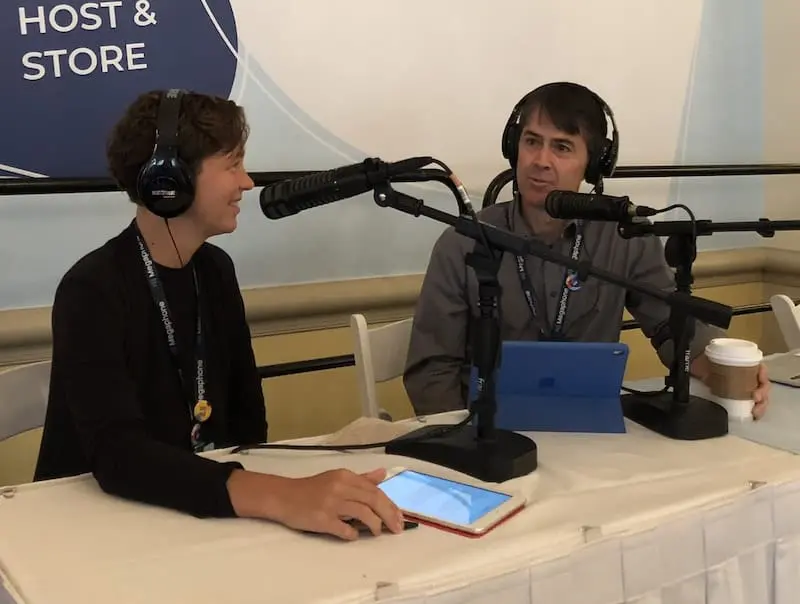
Podcasts work well for monetization because they build a deeper level of trust than most formats. Listeners spend twenty or thirty minutes with you in a single session. They hear your voice, your ideas, and your stories.
Over time, that consistency positions you as an authority. When you recommend a book, a tool, or a course, listeners take it seriously.
This is the same reason people buy products from YouTube creators or trust traditional TV hosts. The relationship drives the revenue.
Many podcast hosting platforms now give you built-in monetization tools.
This means you can insert dynamic ads, accept donations, sell exclusive premium episodes, or create a private paid feed right from inside your hosting dashboard.
You don’t need extra software to test these options. You upload your episode, turn on the monetization feature you want, and start experimenting with what fits your audience.
The main goal of monetization is to turn your podcast into a sustainable asset. A good strategy helps you cover production costs and gives you a clear path to grow your business.
But monetization only works when you produce content people want to hear. If you focus on money first, the show loses its value. If you focus on helpful, consistent, engaging episodes, people listen, trust you, and support your work.
Create content that earns attention. Then use the right monetization method to turn that attention into income.
When Should You Start Monetizing Your Podcast?
You don’t need ten thousand downloads to start making money from your show. Most new podcasters wait far too long because they assume monetization only works with big numbers. The truth is simpler. You can start earning as soon as you have a small group of listeners who trust your voice and enjoy your content.
If you want to move early, begin with low-friction methods. Listener support, affiliate links, and your own low-ticket offers work well even when you only have fifty or a hundred people tuning in. These methods rely on trust, not scale. A small but engaged audience often outperforms a large group of casual listeners.
You can move to sponsorships and ads after you hit consistent downloads and you have a clear niche. Sponsors want alignment more than raw size. Many niche podcasters land sponsors with one thousand to three thousand downloads per month because the audience is focused and easy to reach. Ads usually require higher numbers. Most platforms look for ten thousand monthly downloads before offering reliable ad placements, and even then, the numbers only make sense if your show keeps growing.
The right time to monetize depends on your consistency, not your size. If you publish regular episodes and you see repeat listeners, your audience is ready. Start with the methods that fit your current stage, test what works, and grow from there.
Read: The best podcast recording and editing tools
How To Make Money Podcasting: 9 Practical Ways That Still Work
Over the years, I’ve tested many podcast monetization methods across different stages of growth, and the good news is that the core strategies still work today. Some bring in direct revenue. Others help you grow your broader learning business. You don’t have to use all of them at once. Pick the approaches that fit your audience, your goals, and the type of content you create. Here are the methods I’ve seen deliver consistent results for podcasters in 2026.
1. Use Your Podcast as a Loss Leader and Authority Engine
One of the fastest ways to make money from a podcast is to treat the show as your authority engine. Instead of relying only on ads or sponsors, you use each episode to warm up leads for your core products. When listeners trust your ideas, they buy your courses, memberships, cohort programs, workshops, books, and conference tickets. This indirect revenue often outperforms ad money, especially for edupreneurs with specialized expertise.
You can track the impact with simple tools. Use redirect links you only mention inside the podcast. Monitor how many listeners click through using Chartable or your hosting platform’s analytics. Add UTM tags or track conversion paths in Google Analytics so you see which episodes move listeners toward your paid offers.
Many people ask if you can really make money from a podcast without big downloads. This is where the loss leader model shines. You might only have a few hundred listeners, but if those listeners trust you, they convert into paying students or clients. A single workshop sale or a handful of course enrollments can outperform months of ad revenue.
This method works best when you consistently share useful ideas, invite listeners into your broader learning ecosystem, and make clear calls to action that point them toward your next step.
2. Sell Your Own Courses, Memberships, Coaching, and Digital Products
One of the most reliable ways to make money from a podcast is to sell your own educational products and services. This may not look like “podcast monetization” in the traditional sense, but it delivers the highest return for most edupreneurs. Your listeners already trust your insight. They hear your voice every week. When you talk about a problem and present a solution they can enroll in, the conversion rate often beats anything you get from ads or sponsors.
Below are the most effective ways to use a podcast to sell online courses, coaching packages, memberships, and digital products.
Sell online courses to your listeners
A podcast gives you the perfect environment to validate course topics and warm up future students. When an episode lands well and listeners email you with questions, that feedback tells you the topic has demand.
You can then use an online course platform, build a simple landing page, mention it in your next few episodes, and invite listeners to join the waitlist or enroll.
This approach works even when your audience is small. If someone listens to you for twenty minutes, they already trust you.
That trust makes it much easier to sell online courses with a podcast than through cold traffic. Many creators build entire course businesses by turning their most popular episodes into structured, step-by-step learning programs.
Launch memberships and communities
A podcast creates a natural sense of belonging. When listeners tune in week after week, they feel like part of something. This makes it easier to launch a membership or community with ongoing support, discussion spaces, office hours, and resource libraries.
You can introduce your community briefly at the end of each episode. A simple “join us” message works when listeners already value your perspective. Many podcasters use this model to create stable recurring revenue while keeping production costs low.
Here are the best membership platforms and online community software you can use.
Offer coaching and consulting packages
If your podcast attracts professionals or organizations, coaching becomes a meaningful revenue stream. Episodes that solve specific problems often lead directly to coaching inquiries.
You can offer one-on-one coaching, group coaching programs, or even strategy days tied to popular episodes.
Listeners already hear how you think.
They know how you explain ideas. When they need help, they choose the person who has already guided them through dozens of problems. Using a podcast to sell coaching feels natural because the relationship develops over time.
Here are the best online coaching platforms you can use.
Create eBooks, templates, and digital downloads
Digital products give podcasters an easy first step into monetization. Checklists, playbooks, worksheets, templates, short eBooks, and other digital downloads fit naturally with many episodes.
For example, after an episode that explains a framework, you can offer a downloadable worksheet that walks listeners through the same steps.
These low-ticket products help listeners take action, and they also move them into your broader learning ecosystem. If someone buys a $9 template because it solves a real problem, they are much more likely to join your course or membership later.
This is one of the simplest ways to create digital products for podcasters, and the content often comes directly from what you already teach on your show.
Your podcast builds authority every time someone listens. When you consistently deliver value, listeners trust your recommendations.
They buy your products because they want deeper help, more structure, and more access. This is indirect monetization, but it often produces more income than ads or sponsorships.
If you want a long-term business built around your expertise, this is the monetization method that usually delivers the highest ROI.
Read: How to create an eBook that sells
3. Build an Email List From Every Episode (Your Silent Revenue Engine)
If you asked me to choose only one podcast monetization method to keep, I would choose building an email list. Your email list powers your podcast sales funnel.
It gives you a direct line to people who already trust your voice and want more from you. When you send an email, your message lands in a place that algorithms cannot control.
The process is simple. You make a clear call to action in every episode. You offer a helpful lead magnet that connects directly to the topic. Listeners visit your link, sign up, and enter a welcome sequence that introduces your best work and leads naturally to your courses, memberships, coaching, or digital products. It becomes a silent revenue engine that runs behind your podcast.
You can create short episode-specific downloads to increase signups. A checklist, worksheet, or summary often converts very well because listeners want something they can use right away. Your podcast warms them up. Your lead magnet moves them into your ecosystem. Your email list then turns them into customers over time.
I use this model across Learning Revolution. A simple episode can lead someone into a funnel that sells a course or a coaching program months later. That only happens because the email list gives you room to teach, nurture, and make offers in a natural way.
When people search for terms like “podcast funnel” or “podcast sales funnel,” they are really asking how a podcast can turn attention into revenue. This is the answer. Build your list from every episode, share valuable emails, and guide listeners toward the products and services that help them the most.
This method works even when your download numbers are small. Quality always beats quantity when you have a strong email list behind your show.
4. Promote Affiliate Products Your Audience Already Needs
Affiliate marketing means you promote third party products and earn a commission when a listener makes a purchase through your referral link.
Podcast affiliate marketing still works, and it works very well when you choose products your listeners already use in their daily work.
You don’t need to chase every program you find. Focus on high-quality tools in your niche and highlight the ones that genuinely help your audience. This creates trust and gives you a steady income stream without creating new products yourself.
You can skip low-paying Amazon-style programs. Instead, focus on higher-priced offers and recurring subscription products.
These create real long-term revenue because you keep earning as long as the customer stays active. For edupreneurs, this often includes course platforms, screen recording tools, community builders, LMS plugins, CRM tools, and audio or video software. Mention them in your episodes. Add your links to the show notes. Tie the promotion to a topic that makes sense so the recommendation feels natural.
Affiliate programs for podcasters are easy to find. You can search networks like ShareASale, Impact, or CJ. You can also visit the websites of tools you already use to see if they offer a partner program. Many do. Look for commission rates of 20 percent or more, and choose programs that align with your core episodes.
This method shines because you don’t need big download numbers. A small, well-defined audience converts much better than a broad general audience. When you recommend thoughtful tools and explain how you use them, listeners trust your experience. That trust turns into consistent affiliate revenue over time.
5. Sell Sponsorships and Host-Read Ads (When You’re Ready)
Podcast sponsorships and host-read ads can be profitable, but only when your show reaches a steady audience.
According to research, U.S. podcast advertising revenue is expected to reach $2.3 billion in 2025 and 53% of podcasters expect their ad revenues to grow in 2026.
Many new podcasters jump straight to ads because they see big creators doing it. That rarely works. CPM-based podcast advertising rates are low. A typical pre-roll pays around $15 to $18 CPM, and mid-roll ads pay around $20 to $25 CPM. That means you earn $20 to $25 for every 1,000 downloads. Most shows never reach the volume needed to make those numbers meaningful.
Niche sponsorships give edupreneurs a better path. A sponsor pays for direct access to your specific audience, not just for impressions. You set the rate. You decide what you include. You choose brands that fit your listeners. You stay in control.
A sponsorship package can include pre-roll mentions, short mid-roll segments, end-of-episode reminders, and placement inside your show notes or newsletter. These placements work because listeners trust your voice. A well-placed host-read ad often performs better than a generic stitched ad, especially in education, professional development, and learning businesses.
Most podcast hosting platforms also help with ads and sponsorships. Tools like Buzzsprout Ads, Acast Marketplace, Podbean Ads, and Libsyn Ads let you turn on automated ads with a couple of clicks. They handle the matching, insertion, and reporting for you. This gives you easy background income without manual outreach. Just keep in mind that these networks still pay standard CPM rates, so the earnings are modest unless you have large download numbers.
Direct sponsorships are where most edupreneurs see real money. I have seen this play out in real time with the Leading Learning Podcast. We started landing meaningful sponsor income when we had roughly 1,000 downloads per month. That audience was small, but it was high quality. Sponsors cared about who listened, not how many listened. Those early deals eventually grew into a consistent five-figure annual revenue stream that still runs today.
If you want to know how much sponsors pay podcasters, the truth is simple. Niche sponsors pay far more than CPM-based ads because they value alignment and authority. Your role is to offer a clean pitch, a focused audience, and a reliable publishing schedule. When those pieces come together, sponsorships become one of the most stable monetization methods you can add to your podcast.
6. Ask for Listener Support, Crowdfunding, and Premium Feeds
Listener support is one of the easiest ways to monetize a podcast, especially when you’re still growing. Many podcasters think they need a massive audience before asking for help. You don’t. If your content is useful and consistent, people are willing to support it. Platforms like Patreon, Buy Me a Coffee, and PayPal make this simple. These tools let your listeners contribute a few dollars each month, and those small amounts add up faster than you expect. This is the most direct form of listener support and works well for educational and professional shows where people value ongoing insights.
You can take this a step further with membership tiers and paid subscriptions. Patreon for podcasters is still one of the most reliable ways to offer exclusive perks. Apple Podcasts and Spotify also allow creators to offer paid podcast subscriptions inside their apps. These subscriptions work because they feel natural to listeners. They tap a button. They get extra value. You get recurring revenue.
Premium content makes these subscriptions valuable. Many podcasters offer bonus episodes, extended conversations, ad-free versions, private Q&A sessions, or early access. Others use a simple model. The main feed stays free. The deeper, more advanced content goes into the premium feed. Some shows even put their older archive behind a paywall after a few months. This creates a clear reason to subscribe without hurting the free experience.
All of these fall under one umbrella. Premium podcast content. It works because listeners already trust you. They come back every week. When you offer more value in a clean, organized way, a percentage of your audience will pay for it. You don’t need thousands of listeners. You just need your most loyal listeners to raise their hand.
For most edupreneurs, paid podcast subscriptions and listener support create a predictable and steady revenue layer. They reward your most engaged fans and give you recurring income you can build on as your audience grows.
7. Merch, Events, and Speaking (Nice-to-Have Revenue Streams)
Merch, events, and speaking gigs sit in the “nice-to-have” category. They work well, but they usually benefit bigger shows with a loyal audience. If your listeners feel connected to you, they are more likely to buy podcast merch, attend a live session, or invite you to speak. These revenue streams build authority first. Income comes second.
Simple merch is the easiest place to start. Print-on-demand platforms like Redbubble or Teespring let you upload your artwork and sell shirts, mugs, stickers, or notebooks without holding inventory. The margins are small, but merch strengthens your brand and keeps your show visible in the real world.
You can also use your podcast to host live workshops or virtual events. These can be small paid sessions, topic-specific deep dives, or practical training tied to popular episodes. Many edupreneurs find that events sell better than merch because listeners want access, clarity, and hands-on guidance. Paid virtual workshops are an easy starting point because they require no venue and no complex logistics.
As your authority grows, your podcast naturally leads to speaking gigs, both virtual and on stage. Conferences and organizations bring in speakers who already have an audience. They see your podcast as proof that you can teach clearly and keep people engaged. Speaking fees, panel sessions, and honoraria can become a reliable stream, especially when your show focuses on education, leadership, professional development, or business skills.
Most creators use these methods for their “halo effect.” They build visibility. They deepen trust. They open the door to backend sales for your courses, memberships, and consulting. That is where the real business growth happens. These extra streams simply reinforce everything you are already doing with your podcast.
Read: Practical Podcast Recording and Production Tips
Which Monetization Methods Work Best at Different Stages?
Every podcast grows in stages. The monetization that works at 100 downloads a month is not the same as what works at 10,000. The question many creators ask is simple. How much money can you make from a podcast at different stages? It depends entirely on which monetization method you focus on at each point in your journey. Here is a simple way to think about it.
Stage 1: New Show With a Small Audience
When your audience is small, you still have options. You don’t need big numbers to start earning. At this stage, lean on methods that grow your authority and your list.
What works best here:
- Use your podcast as a loss leader to warm up leads for your core offers.
- Build your email list from every episode so you can sell later.
- Promote your own low-ticket digital products, starter courses, and small coaching offers.
- Use basic affiliate marketing for tools your audience already needs.
- Add simple listener support through Buy Me a Coffee or PayPal.
These methods work with 50 listeners or 500 because they depend on trust, not volume.
Stage 2: Growing Show With a Clear Niche
Once you attract a focused audience that comes back each week, you can layer on higher-value methods.
What works best here:
- Offer premium content, bonus episodes, or a private feed.
- Promote affiliates that pay recurring commissions and fit your niche.
- Bring in your first small sponsors who want direct access to your audience.
This is the stage where confidence grows because your podcast becomes a real business asset.
Stage 3: Established Podcast With Strong Engagement
When your show has a reliable publishing rhythm and a steady listener base, you can add the bigger revenue drivers.
What works best here:
- Land larger sponsorships and long-term brand partners.
- Host paid workshops, trainings, and virtual events.
- Book conference speaking gigs and charge for expertise.
- Launch merch or limited-edition branded products.
At this stage, your podcast acts as an authority engine. The direct income is strong, but the backend revenue from courses, memberships, and consulting usually becomes even stronger.
Staying Compliant: FTC Rules Every Podcaster Should Follow
Monetization gets easier when you keep things clean and transparent. In the U.S., the FTC has clear rules for how creators should disclose paid relationships. If you promote a product, earn commissions, or receive anything of value in exchange for talking about it, you need a simple disclosure.
You don’t need legal language. A quick line before your ad or mention works:
- “This episode is sponsored by…”
- “I earn a commission if you use this link…”
- “We partnered with…”
The goal is to make sure listeners know when you benefit financially from a recommendation. That protects your audience and protects you.
Three quick guidelines:
- Always disclose before the promotion begins. Not buried at the end.
- Never claim to use a product you haven’t actually used. The FTC cracked down hard on fake testimonials in 2024. If you don’t use it, don’t say you do.
- Audio disclosures must be spoken, not just written in show notes.
Most podcast hosting platforms now include tools or reminders for sponsorship disclosures, so adding compliant language becomes easier.
Clear disclosure builds trust, and trust is what makes monetization work long-term.
Ready To Make Money With Podcasting?
I’ve learned from experience that monetizing your podcast is not about chasing every possible revenue stream. It is about choosing the right methods for the stage you’re in and making sure your content earns your audience’s trust.
A podcast works best when it builds authority first and income second. When you focus on delivering useful, consistent episodes, the monetization naturally follows.
Use your show to warm up leads. Build your email list. Sell your own courses, memberships, and coaching. Add affiliates and listener support. Bring in sponsors when the time is right. Layer on events, workshops, merch, and speaking as your audience grows.
Every one of these methods has worked for me over the years with the Leading Learning Podcast. Not because the podcast was huge, but because it spoke to the right people.
If you stay focused on serving your listeners, your podcast can become one of the most reliable revenue channels in your business.
Now you have a clear roadmap. Start with the method that fits your stage today, and build from there.
Frequently Asked Questions (FAQs)
1. How long does it take to make money from a podcast?
Most podcasters start earning within a few months if they sell their own products or use affiliates. Sponsorships usually take longer because you need consistent downloads and a defined niche.
2. How many listeners do you need to make money from a podcast?
You can earn with almost any audience size. Listener support, email funnels, and your own offers work with fewer than 200 listeners. Sponsorships typically start once you have 500 to 1,000 downloads a month.
3. Can you monetize a podcast without sponsors?
Yes. Many podcasters earn more from courses, memberships, email funnels, coaching, and affiliate products than from sponsors. A sponsor is only one path, not the only path.
4. Do podcasts on Spotify or Apple make money?
Yes, but not automatically. Spotify and Apple let you offer paid subscriptions, premium feeds, and exclusive episodes. Your earnings depend on how many listeners choose to subscribe.
5. What type of podcast makes the most money?
Educational, business, coaching, personal development, and niche industry shows usually earn the most because listeners value expertise and buy related products.
6. What are the easiest podcast monetization methods for beginners?
Email list building, small digital products, simple coaching offers, affiliate marketing, and listener support. These don’t require a large audience.
7. What is dynamic ad insertion?
Dynamic ad insertion is when your hosting platform automatically adds ads to new or old episodes. Buzzsprout Ads, Acast Marketplace, Libsyn Ads, and Podbean make this easy. Earnings still depend on CPM rates.
8. What makes a podcast attractive to sponsors?
A clear niche, consistent publishing, engaged listeners, and a clean pitch. Sponsors don’t care about massive numbers. They care about reaching the right buyers.
9. Can you monetize a video podcast differently from audio-only podcasts?
Yes. Video podcasts can earn through YouTube ads, merchandise shelves, channel memberships, and YouTube Premium revenue. You keep the audio monetization as well.
10. What are the best affiliate programs for podcasters?
Programs that offer recurring commissions. Examples include software tools, membership platforms, course creators, and educational services your audience already uses.
11. How do podcasters get paid for ads?
Most ad networks pay monthly based on CPM. Sponsors usually pay upfront or on a contract. Listener support and subscriptions pay instantly through the platform.
12. How much can small podcasters actually earn?
Small shows with the right niche often earn more from backend offers than ads. A simple coaching package or small course can outperform CPM rates by a wide margin.
13. Should I create a separate website for my podcast?
A dedicated site helps with SEO, email list growth, episode notes, and linking your offers. It also helps sponsors evaluate your brand. But you can start without one.
14. Do podcasts still make money today?
Yes. Podcasts are still growing, and brands continue to invest in audio. What changed is the monetization model. Direct offers, paid communities, and premium content now outperform CPM ads for most creators.
15. What is the fastest way to monetize a podcast?
Build an email list and offer a simple digital product, workshop, or coaching package. This gives you revenue before you ever reach the sponsorship stage.
Table of Contents
Related Posts
How To Make Money on YouTube: 10 Proven Strategies (2026)
The Complete Guide To Selling Online Courses In The AI-Age (2026)
How To Start An Online Coaching Business (2026) | Step-by-Step Guide