
TL;DR: Best YouTube Alternatives for Creators in 2026
Looking for a YouTube alternative? Here are your top options:
– Facebook: Best overall. Free uploads, monetization, massive audience.
– TikTok: Best for short-form, viral content. Great for fast growth.
– Vimeo: Best for course hosting and video privacy.
– Dailymotion: Strong global reach, good for organic discovery.
– LinkedIn: Ideal for B2B creators and course sellers.
– Twitch: Best for live streaming in creative and educational niches.
– Instagram: Great for lifestyle and visual storytelling.
– Patreon: Ideal for gated content and memberships.
– X (Twitter): Good for news-style video, limited free upload length.
– WordPress/Blogger: Use for private hosting and embedding videos.
Each platform offers different strengths in monetization, audience targeting, and content format. Choose based on your niche and business goals.
1 billion hours!
That’s how much time people worldwide spend watching YouTube content on their TVs every day. And it’s not just fun and entertainment content. People spent 400 million+ hours in 2024 watching podcasts on YouTube TV.
Imagine the number if we include mobile viewers as well.
But here are a couple of even more staggering facts.
On average, content creators collectively upload 500+ hours of YouTube videos a minute. YouTube Shorts, the platform’s addictive TikTok alternative, attracts over 70 billion views every single day.
No matter what anyone says, there’s no bigger or better video content platform for creators than YouTube.
This is why we’ve already written extensively about starting a YouTube channel for your online course business and shared various YouTube tools and YouTube monetization strategies.
However, it’s always good to have options as a content creator.
So, in this article, we’ll share some of the best YouTube alternatives content creators can use for streaming and hosting their videos.
Learn how much you can make on YouTube for a million views
Quick Verdict | The Best Alternatives To YouTube For Creators
No platform can completely replace YouTube. However, if you’re looking for an alternative as a course seller or creator, here are your best choices.
- Facebook – Overall, the best YouTube alternative
- TikTok – Best for short-form content
- Dailymotion – Best for content management features
- LinkedIn – Best for B2B course sellers
- Twitch – Best for gamers and creative professionals.
If you’re curious how we reached this verdict, read on.
YouTube Alternatives Comparison Table for Creators
Before we dive deeper, here’s a quick comparison of what the top YouTube alternatives offer.
| Platform | Best For | Monetization | Free Storage | Live Streaming |
|---|---|---|---|---|
| Building community | Ads, Subscriptions, Stars | Unlimited | ✅ | |
| Vimeo | Professional hosting | Subscriptions, VOD sales | 15GB on free plan | ❌ (Paid only) |
| Dailymotion | Organic video discovery | Ads | Up to 2hrs/video, 10hrs/day | ❌ (Paid only) |
| Twitch | Gaming, live creators | Subs, Ads, Donations | Unlimited live | ✅ |
| Patreon | Exclusive member content | Subscriptions | Unlimited (Paid plans scale) | ❌ |
| B2B content & professionals | Brand deals (indirect) | 4GB/file, 15 mins max | ❌ | |
| Visual storytelling, lifestyle | Ads, Subscriptions | Unlimited | ✅ (via Live) | |
| TikTok | Viral short-form content | Ads, Subs, Brand Deals | Unlimited | ✅ (3hr limit) |
| X (Twitter) | News-style video & clips | Ads, Subs (Premium only) | 2 min 20 sec per video (free) | ✅ (Premium) |
| WordPress/Blogger | Private hosting/embedding | No native monetization | Varies by plan | ❌ |
YouTube Alternatives Creators Can Use For Video Streaming And Monetization
Is there a perfect YouTube alternative you can call its identical twin?
Not quite.
No other platform offers the full range of features that YouTube does.
However, most creators don’t need a replica.
Instead, they need platforms tailored to their specific needs.
For example, some creators just want a simple video hosting service to share content with their audience, while others need a platform to embed videos into their courses or membership programs.
You might also prefer a niche alternative for a specific type of audience.
With these different needs in mind, here are some of the most reliable video streaming and hosting platforms that can be great alternatives to YouTube.
1. Vimeo
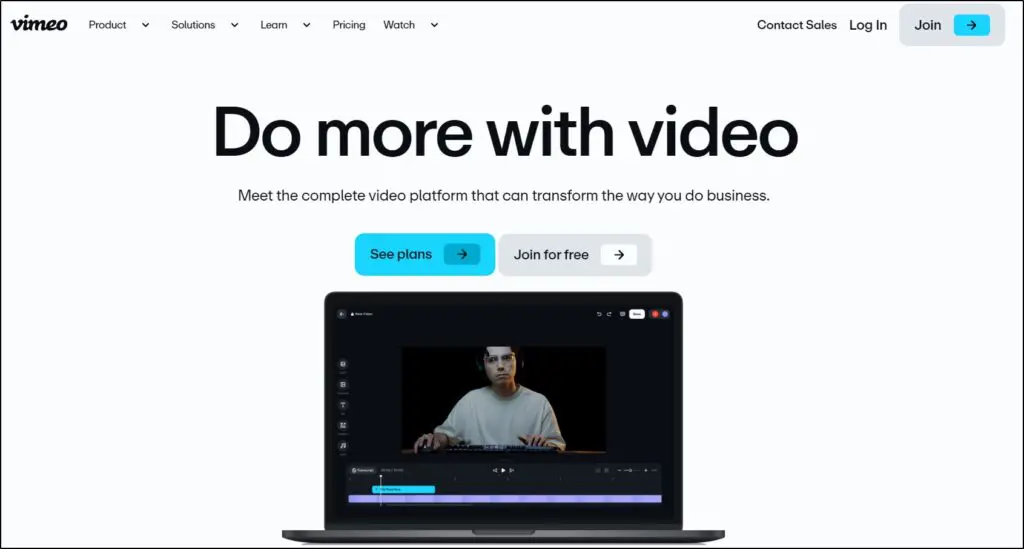
For professional consultants and course creators, Vimeo can be a great YouTube alternative. It’s a leading video-hosting platform that gets over 50 million monthly visitors according to SimilarWeb.
Vimeo is primarily a B2B video solution designed to help businesses leverage video marketing more efficiently. It isn’t completely free like YouTube but it does offer a free plan with 15GB of storage you can use for hosting your content.
Vimeo also has a public interface where users can search and watch videos like they do on YouTube.

You can also embed your Vimeo videos in your blog posts, online courses, and educational material.
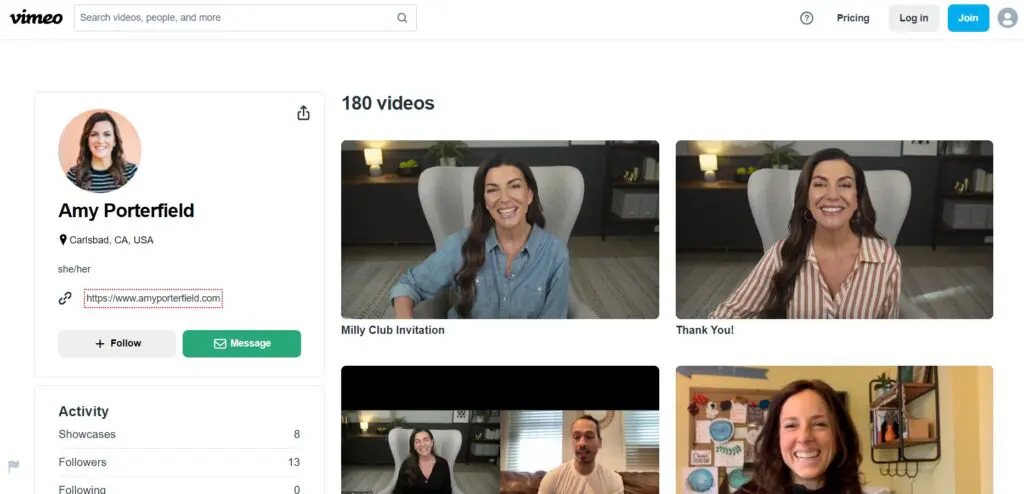
For example, Amy Porterfield uses Vimeo for hosting her testimonials and marketing videos that she embeds in her landing pages and websites.
With one of Vimeo’s premium plans, you can turn your channel into a membership and sell videos to your subscribers, making it an attractive choice for course creators and consultants.
However, Vimeo has several limitations compared to YouTube.
For example, it has a much smaller audience than YouTube. So, don’t expect to attract millions of subscribers to your channel.
Plus, its free plan doesn’t allow live streaming and offers limited storage space.
But if you’re looking for a reliable video hosting platform where you can share your content and route your visitors, Vimeo can be a great choice.
2. Dailymotion
Dailymotion is probably the closest YouTube alternative you can get. It’s as old as YouTube (both were founded in 2005) and offers generous video storage and streaming limits in its free plan.
As a free user, you can upload up to 15 videos, each lasting up to 2 hours and with a file size of 4GB. These videos are listed on your channel and can be easily found through Dailymotion’s search feature.
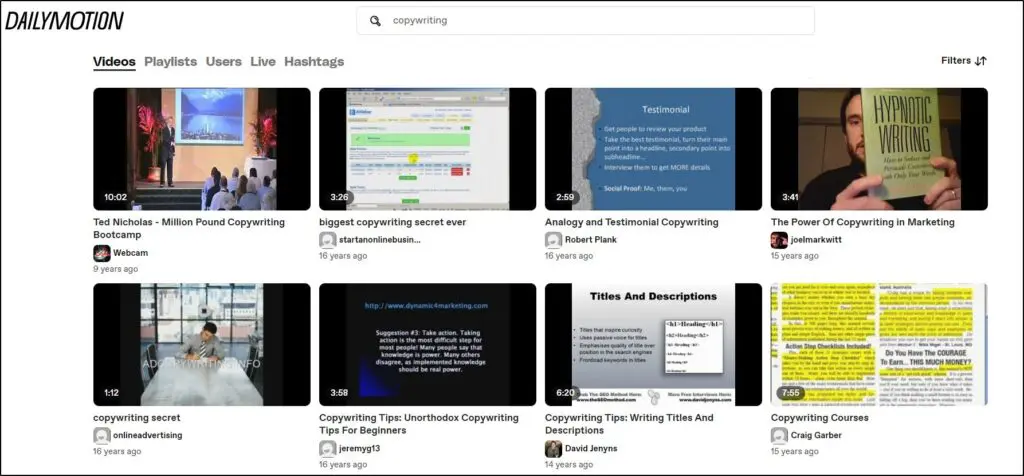
According to SimilarWeb, Dailymotion gets over 170 million visitors per month. Plus, unlike Vimeo, Dailymotion videos get a lot more organic views. It also allows you to embed your videos in your courses, landing pages, or website content.
However, you can’t livestream on Dailymotion’s free account.
Still, many educators, digital product sellers, consultants, and course creators use Dailymotion as a backup to their YouTube channels.
If you’re looking for a reliable platform to replace YouTube, Dailymotion should be among your top considerations.
3. Twitch
You’ve probably heard of Twitch, the live-streaming platform known for gaming.
But it has evolved into much more, with categories now dedicated to musicians, talk shows, and even a “Just Chatting” section for casual conversations and random discussions.
So, why consider it as a YouTube alternative?
Twitch attracts over a billion visitors every month and offers unlimited live streaming. If you’re into niches like music, creative arts, meditation, or personal development, Twitch provides a great space to connect with a dedicated audience.
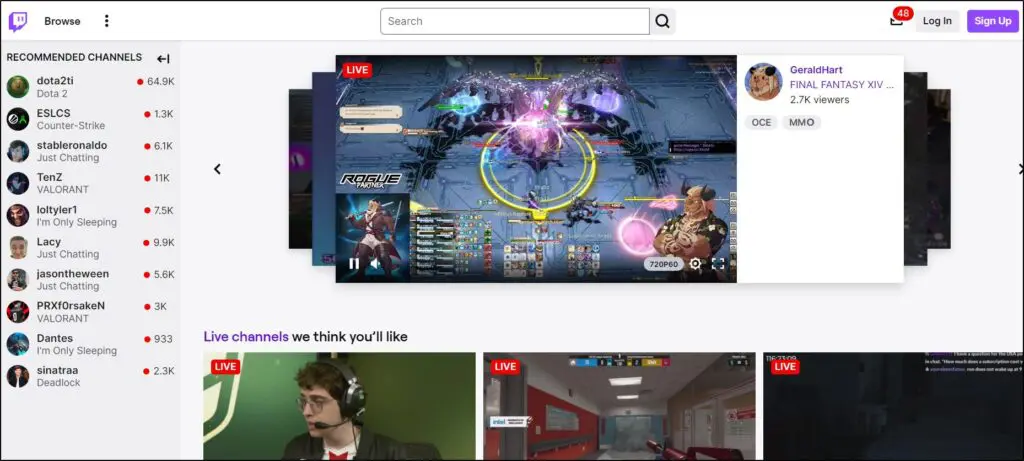
It’s also a useful platform for hosting webinars, live classes, interactive sessions, and even cohort-based events.
Apart from excellent streaming features, Twitch offers multiple monetization options, including subscriptions, affiliate programs, ads, donations, and more. However, it’s important to note that Twitch is focused on live content.
While you can save past streams, they’re rarely prioritized in searches, meaning your recorded content might not get the same visibility.
In short, Twitch may not replace YouTube entirely, but it’s a strong platform to consider if you’re working in the right niches.
4. Patreon

Patreon is not like the typical YouTube alternatives we’ve discussed so far.
It’s more of a membership platform with powerful video hosting and sharing features.
But you can use it as an alternative to YouTube if you want to grow a dedicated community and create a sense of exclusivity around your creator brand.
Patreon isn’t a public video search engine like YouTube. Instead, you can create a Patreon profile as a creator and upload videos that only your subscribers can watch.
Its free version allows you to upload videos up to 12 hours long but has no caps on the number of subscribers to your profile.
For coaches, consultants, and course sellers, Patreon can be a great way to offer exclusive content to the audience and make them feel special.
You can interact with them via comments, understand their needs, and create videos that answer their problems.
This not only builds your brand but also helps you drive traffic to your course sales pages and premium content.
5. Facebook
If I had to pick one YouTube alternative from this list, it would be Facebook.
Here’s why.
With over 3 billion monthly users, Facebook gives you the power to upload HD videos and run live streams for free, just like YouTube.
While it doesn’t have “channels,” you can easily organize your videos on your Page or profile.
Facebook Watch, the platform’s dedicated video hub, helps users discover new content. It automatically shows videos based on interests and behavior.
And while its search filters aren’t as sharp as YouTube’s, people can still look up videos on specific topics.
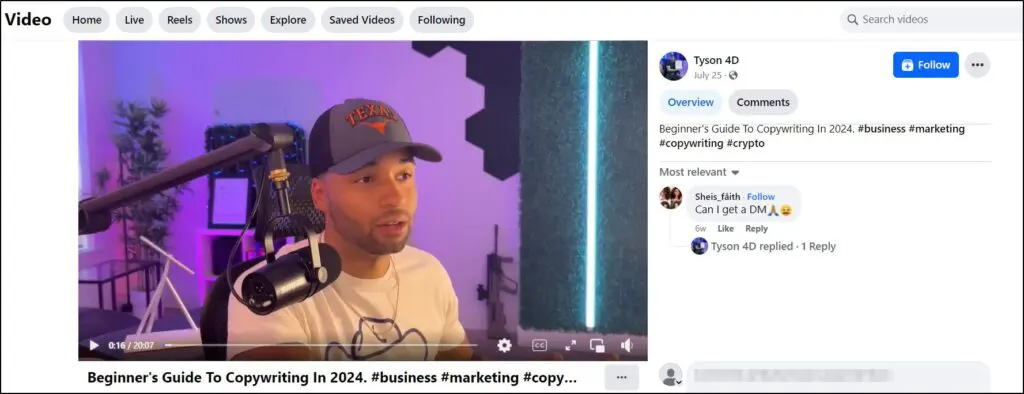
But user engagement is where Facebook shines.
Its comments, reactions, and sharing options are more interactive compared to YouTube, which means you can attract more traffic back to your content.
Plus, Facebook offers several ways to monetize your videos including in-video ads, brand partnerships, stars, and product sales with built-in CTAs.
This is why so many top course creators and consultants rely on Facebook.
Take Anton Kraly, for example. His Dropship Lifestyle program has over 250K followers on Facebook, where he shares video content and engages with his audience regularly.
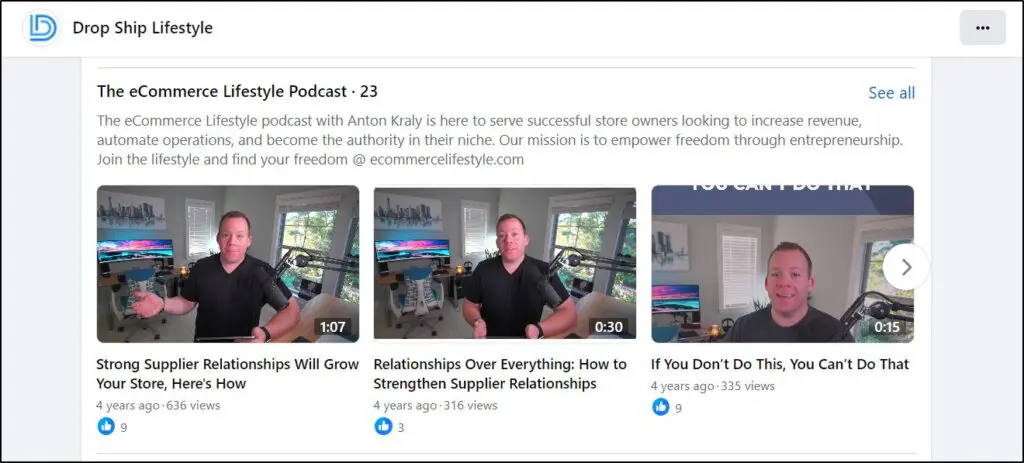
In short, Facebook isn’t just a solid YouTube alternative, it’s perfect for anyone looking to build a community, especially course sellers, consultants, and coaches who want to grow a sustainable e-learning business.
6. LinkedIn
For course creators, coaches, or consultants, LinkedIn is a goldmine for leads and potential customers.
It’s also a solid YouTube alternative for reaching your target audience and building brand awareness.
Let me explain.
LinkedIn is a B2B social network, which means people come here to do business. According to Statista, LinkedIn has over 700 million users right now and is projected to hit close to a billion by 2028.

Most of these users are professionals looking for career opportunities and ways to stay relevant in today’s fast-changing market.
That’s where you come in.
Now, LinkedIn isn’t a full-fledged video platform like YouTube. It doesn’t have features like video monetization, playlists, or channels.
But LinkedIn’s algorithm loves video content.
In fact, its own research shows that videos get 5x more engagement compared to other types of posts.
You can upload as many videos as you like (up to 15 minutes long and 4GB each) and organize them using hashtags or your profile’s featured section.
You could also create a LinkedIn Company page to showcase your video content alongside images and text.
Zain Kahn is a great example of how creators can tap into LinkedIn’s video potential.
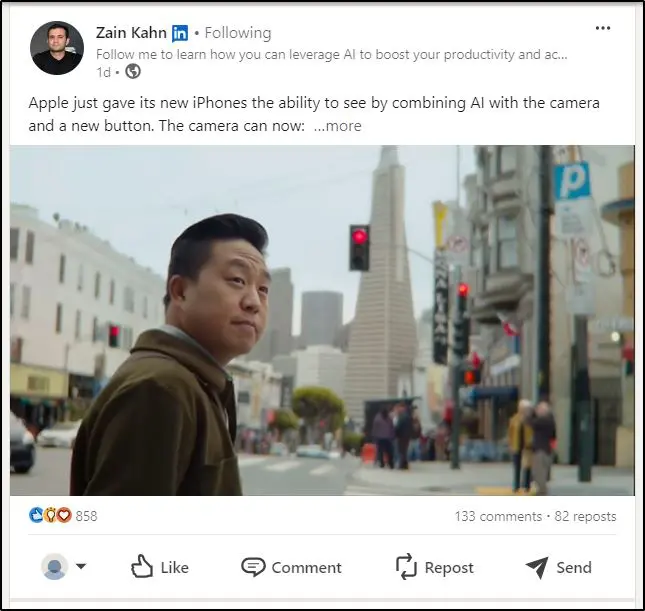
Zain has become one of the leading influencers in the generative AI niche and has over 900K followers on LinkedIn.
How did he amass such a large following in under 2 years?
By sharing engaging video content on LinkedIn that explained different aspects of generative AI technology and how professionals could include it in their daily workflows.
So, while LinkedIn isn’t the ideal YouTube replacement for B2C creators, it’s certainly worth considering if you’re selling digital products and courses to business professionals.
7. Instagram

Did you know the average Instagram user spends over 15 hours a month on the app? That’s a lot of potential engagement.
While Instagram is mainly known for sharing visuals, it can also be a great alternative to YouTube.
Why? It’s free, easy to use, and reaches a massive audience.
You can upload unlimited videos to your profile (each up to 60 minutes long) and there are several ways to monetize your content, including ads, paid subscriptions, and branded partnerships.
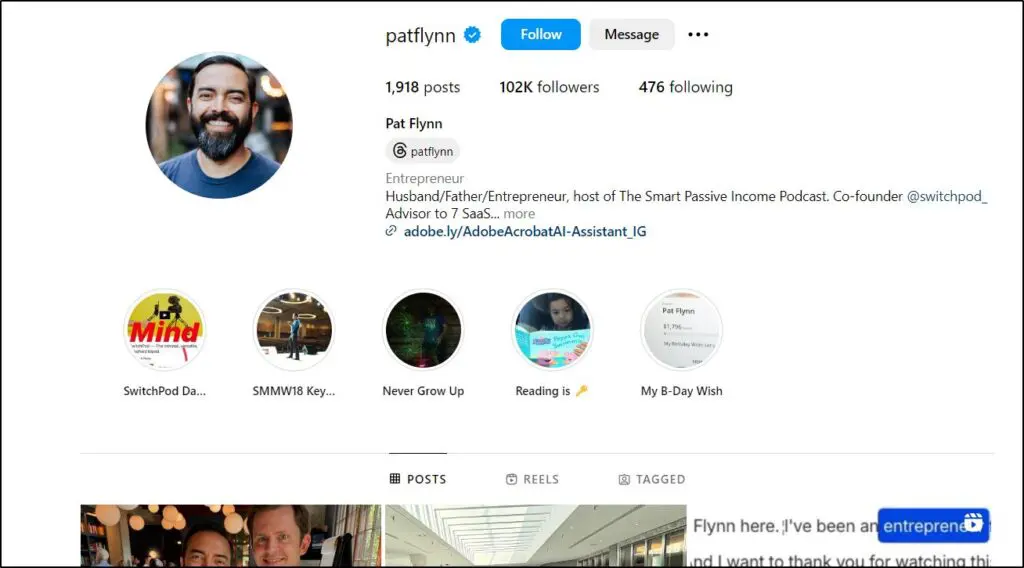
Many course creators, like Pat Flynn, use Instagram to build their personal brands by sharing behind-the-scenes videos, daily updates, and insights.
As for organizing your videos, Instagram may not have playlists like YouTube, but you can still group content using albums and hashtags.
It’s not as seamless, but it gets the job done.
And thanks to Instagram’s algorithm, users can discover your videos through interest-based recommendations, searches, or relevant hashtags.
That makes it easy for the right audience to find you.
8. TikTok
If you think TikTok is not worth your time, think again.
According to research, American social media users spend 53+ minutes using TikTok every day (more than any other social platform)

TikTok used to be a platform for short-form content only.
But that has changed.
It now allows up to 10-minute-long videos, while live streams can last as long as 3 hours. Its monetization features include native advertising, e-commerce, brand partnerships, and subscriptions.
Considering it’s a completely free platform with no storage limits, TikTok can be an excellent YouTube alternative.
However, it’s not ideal for conventional B2B content. If you want to attract followers on TikTok you need to make your content fun and engaging.
This is exactly how Kat Norton aka Miss Excel built a $2 million business selling Excel courses on TikTok.
She turned a topic as dry as Microsoft Excel into entertaining content and gathered almost a million TikTok followers.
What makes TikTok different from YouTube is its viral nature. TikTok videos generally go viral much faster than YouTube or any other platform.
Plus, its addictive algorithms ensure that users remain attached to their smartphones, giving creators more views and boosting their content engagement.
9. X (formerly Twitter)
Twitter, now rebranded as X under Elon Musk, is another platform you can use for hosting videos and building an audience at the same time.
Like most other platforms, it’s not a complete replacement for YouTube.
However, multiple factors make it an attractive choice for content creators.
Firstly, Twitter has over 368 million monthly active users, making it one of the largest social networks in the world.
But more importantly, it gives you direct access to your audience and helps you understand their needs, enabling you to create more valuable content.
X (Twitter) also prioritizes video content in its user timelines. Its discovery engine is among the best in the world and automatically shows your content to relevant audiences even when they’re not following your account.
X puts no limits on the number of videos you can upload on the platform. However, free users can only host videos up to 2 minutes and 20 seconds long.
For longer videos, you need to get the app’s premium subscription (which isn’t much).
The only way to organize your videos on Twitter is through hashtags or threads. There’s no option to create playlists like YouTube.
However, Twitter does offer attractive content monetization modes through advertising, brand connections, and subscriptions.
10. WordPress And Blogger
If you’re only looking for a YouTube alternative to store your videos, popular CMS platforms like WordPress and Blogger are also worth considering.
Both WordPress.com and Blogger are free platforms that allow you to create responsive websites and host video content.
The free plans of both platforms have varying storage limits. But they’re sufficient for short 5-6 minute videos.
Alternatively, you can go for their premium versions and to increase storage limits and host longer videos.
Both WordPress and Blogger have native video hosting capabilities and allow you to embed and share your videos on multiple platforms.
However, they don’t have YouTube’s audience or community engagement features. So, this option only works if you already have a dedicated audience or only want to use these platforms for securely hosting your content.
What To Look For In the Best YouTube Alternative Apps And Websites?
To find the best YouTube alternatives, you must first know what exactly makes YouTube the number one video content platform.
Here are its biggest qualities.
● 100% Free Platform
YouTube is completely free for content creators. It doesn’t charge you for creating channels, uploading videos, or getting new subscribers.
● Unlimited Storage And Bandwidth
You can upload as many videos to your YouTube channel as you like, with no limits on your subscribers’ watch time or any fees for uploading longer videos. The only restrictions are a maximum file size of 256 GB per video and a limit of 12 hours of content per day.
● Highest Quality Video Streaming
YouTube offers unmatchable video streaming quality and allows you to upload HD videos of up to 8K resolution, which is 7680 x 4320 pixels.
● Video Management
Create playlists, organize videos with tags, design video series, or build learning tracks – YouTube’s simple video management features let you organize your content any way you want.
● Massive Audience Size
YouTube gives you access to over 2.7 billion monthly active users, something no other platform can offer. Plus, it’s the world’s second-largest search engine after Google. This means your target audience often finds you through search.
● Monetization Options
YouTube opens up a ton of monetization options, including advertising, sponsored content, branded content, product sales, affiliate sales, and influencer partnerships. Its large audience size attracts some of the world’s biggest advertisers and brands, who will spend over 19 billion dollars on the platform in 2025.
Use our YouTube Calculator to find out how much you can earn from YouTube ads
● Social Engagement Features
It’s easy to forget YouTube is also a leading social network. Its audience engagement and community-building features allow you to grow a loyal following that can directly benefit your course business.
So, when you’re looking for a YouTube alternative, this is what you’re trying to replace.
Which Video Streaming Platform Is The Best Alternative To YouTube?
As I said earlier, there’s no platform like YouTube because it offers unmatched video quality, storage, and audience exposure.
However, if I had to pick one platform to replace YouTube, I’d go for Facebook because of its massive audience, monetization features, and unlimited storage.
But the other platforms we’ve covered are also worth considering, depending on your niche and target audience.
Now it’s your turn.
Tell us in the comments if you’re aware of any other platforms that course creators and digital product sellers can use for hosting and sharing videos.
Frequently Asked Questions (FAQs)
1. What is the best alternative to YouTube for creators in 2026?
Facebook is the strongest alternative thanks to its massive user base, video monetization options, and unlimited storage, especially useful for course creators and digital product sellers.
2. Which YouTube alternative offers the most monetization options?
YouTube and Facebook offer the broadest range, including ads, subscriptions, stars, and brand deals. TikTok, Twitch, and Patreon also support multiple revenue streams.
3. Can I make money on platforms like TikTok or Instagram like I can on YouTube?
Yes. TikTok supports creator funds, brand partnerships, and subscriptions. Instagram allows monetization through ads, paid partnerships, and fan subscriptions.
4. Is Vimeo a good choice for hosting course videos?
Yes. Vimeo is ideal for professional course hosting. It offers video privacy, player customization, and the ability to sell videos or run memberships.
5. Which platform is best for live streaming besides YouTube?
Twitch is the top platform for live streaming, especially for gaming, education, coaching, and interactive webinars. Facebook Live and Instagram Live are also strong options.
6. Do any free platforms offer unlimited video uploads?
Yes. Facebook, Instagram, TikTok, and Twitch offer unlimited video uploads. However, features like resolution, visibility, and monetization may vary.
7. Which platform is best for short-form video content?
TikTok leads in short-form content, followed closely by Instagram Reels and YouTube Shorts. TikTok videos go viral faster and attract more organic engagement.
8. Can I host videos on my own blog as an alternative to YouTube?
Yes. Using WordPress or Blogger, you can host and embed videos directly — ideal for private viewing or gated course content. Just note that it won’t bring organic views.
9. Is LinkedIn good for video creators?
Yes — for B2B creators. LinkedIn is excellent for professionals, coaches, and course sellers targeting business audiences. Videos get high engagement on the platform.
10. Should I use multiple video platforms or stick with one?
If you’re just starting, focus on one platform (like Facebook or TikTok). But once you have traction, repurpose your content across multiple platforms to grow faster and diversify traffic and income.
Table of Contents
Related Posts
7 Best Camtasia Alternatives for Creating Online Courses (2026)
How To Make Money on YouTube: 10 Proven Strategies (2026)
Muvi Review (2026) | Pricing & OTT Features For Enterprise Video Libraries