
TL;DR: The Best E-Learning Affiliate Programs To Promote Online Courses
What they are: E-learning affiliate programs pay you a commission when someone buys a course, certificate or learning subscription through your link. You earn from courses without creating them.
Best overall picks: Coursera for professional and university-level learning, Udemy for the widest course range, Skillshare and Domestika for creative audiences and DataCamp for data and tech skills.
Highest earning potential: Tiered programs such as Master of Project Academy and Rocket Languages, and, if your audience creates courses, course platform programs that pay 30% recurring.
How to choose: Match the program to your audience first, then compare commission type, cookie length and how much buyers already trust the brand.
Selling your own courses isn’t the only way to earn from online learning. You can also recommend other people’s courses and learning platforms as an affiliate and earn a commission on every sale, which is a natural fit if you already teach, blog, podcast or run a newsletter.
The market is big enough to support it. After Coursera and Udemy combined in May 2026, the merged company reported more than 290 million learners. Whatever your niche, there’s almost certainly a course worth recommending, unless you already have your own course on that exact topic.
I’ve earned affiliate income from e-learning and creator tools at Learning Revolution for years, and I’ve learned that the program matters less than the fit.
In this guide, I compare the best e-learning affiliate programs, with commission terms checked against each program’s own pages in November 2026, and explain which ones suit which audiences and how to promote them without sounding like a sales page.
Note: This page contains affiliate links. If you purchase through links on this page, we may earn a commission at no additional cost to you.
The Best E-Learning Affiliate Programs Compared
Before we dive deeper, here’s a quick look at the best e-learning affiliate programs you can use to promote affiliate offers as a course creator, coach, or any other form of edupreneur.
| Program | Best for | Commission | Cookie | Type | Network |
|---|---|---|---|---|---|
| Coursera | Professionals and certificate seekers | 15% to 45% | 30 days | Per sale, first month on subscriptions | Impact |
| Udemy | Broad, budget-conscious audiences | 10% base, higher for top affiliates | 7 days | Per sale | Udemy’s own program |
| Skillshare | Creative hobbyists and freelancers | 20%, up to $34 per referral | 30 days | New memberships | Impact |
| Domestika | Designers, illustrators and makers | 40% first purchase, 20% recurring, $2 per sign-up | 30 days | Per sale and recurring | Impact |
| DataCamp | Data, Python and SQL learners | 15% to 20% annual, 50% to 80% first month | Up to 30 days | First payment | Impact |
| MasterClass | General and lifestyle audiences | 20% of subscription purchases | 30 days | Per subscription | Affiliate networks |
| edX | University-level learners | 10%, or 5% for coupon sites | 60 days | Per sale | Impact |
| Pluralsight | Software and IT professionals | 30% first month, 10% first year, $1 per trial | 7 days | First payment | CJ |
| Codecademy | Beginner coders | 7%+ for content creators, 5%+ for coupon sites | Not stated | Annual memberships | Pepperjam (Ascend) |
| 360training | Compliance and workforce training | 20% to 45% tiered | Not stated | Per sale, storefront | Direct |
| Master of Project Academy | Project managers and PMP candidates | 25%, rising to 40% above $5,000 a month | 30 days | Tiered per sale | Awin |
| GoSkills | Office and business skills learners | 10% | 30 days | Per sale | Awin |
| Upskillist | Beginners exploring new skills | 20% of net subscription revenue | Not stated | Subscription share | Awin |
| Rocket Languages | Language learners | 20% to 60% tiered | Not stated | Per sale | Direct |
| Babbel | Language learners | Up to €75 per app subscription | Not stated | Flat per sale | Impact (UK), PerformCB (US) |
| Rosetta Stone | Language learners | Not public, set in your contract | Not public | Per sale | Impact |
| CreativeLive | Photographers and creatives | $8 per sale, $40 annual, $20 monthly | 60 days | Flat per sale | FlexOffers |
Every program above is open to applications, but most review your site or channel before approving you. If you also want to recommend the tools course creators use, see the course platform programs further down.
What Are E-Learning Affiliate Programs and How Do They Work?
An e-learning affiliate program is a partnership in which a course platform or training company pays you a commission for referring buyers. You get a tracking link, share it in your content and earn a share of any qualifying purchase made within the program’s tracking window, often called the cookie duration.
Most large programs run through affiliate networks such as Impact, Awin, CJ or PartnerStack, which handle tracking, reporting and payments. Commission models vary more than most people expect, and the model often matters more than the headline percentage.
| Commission model | How it pays | Example programs | Watch out for |
|---|---|---|---|
| Percentage per sale | A share of each course or certificate sold | Udemy, edX, Coursera | Low course prices can mean small payouts |
| First payment only | A share of the first month or first year of a subscription | DataCamp, Pluralsight, Coursera Plus monthly | No income after the first payment |
| Recurring | A share of every payment while the customer stays subscribed | Domestika renewals, Thinkific, Kajabi, Circle | Payouts depend on retention |
| Tiered | Higher rates once you pass a sales threshold | Master of Project Academy, 360training, Rocket Languages | Top tiers need consistent volume |
| Flat fee | A fixed amount per sale or sign-up | CreativeLive, Babbel | Doesn’t grow with order value |
If you’re new to the idea of recommending products as an expert, start with my guide to expert-curated affiliate marketing.
Which E-Learning Affiliate Program Is Right for Your Audience?
The best program is the one your audience already wants. A 45% commission on a course nobody in your audience needs earns nothing, while 10% on a course they’re already searching for adds up. Start with who reads, watches or listens to you.
| If your audience is… | Start with | Why |
|---|---|---|
| Professionals building careers | Coursera, edX, Master of Project Academy | Recognized certificates and high-stakes outcomes |
| Tech and data learners | DataCamp, Pluralsight, Codecademy | Strong brands with structured learning paths |
| Creatives and hobbyists | Skillshare, Domestika, CreativeLive | Project-based classes and low entry prices |
| A broad general audience | Udemy, MasterClass | Huge catalogs with something for nearly everyone |
| Language learners and travelers | Rocket Languages, Babbel, Rosetta Stone | Clear, evergreen demand |
| Workplace and compliance buyers | 360training, GoSkills | Training that employers and employees must buy |
| Course creators and coaches | Thinkific, Kajabi, Teachable, Circle | Recurring commissions on tools your audience needs |
For more help choosing a focus, see our guide to the best affiliate marketing niches for course creators.
The 17 Best E-Learning Affiliate Programs, Reviewed
Here’s what each program offers, who it suits and how to promote it well. I’ve grouped similar platforms close together, so you can compare options for the same kind of audience.
1. Coursera
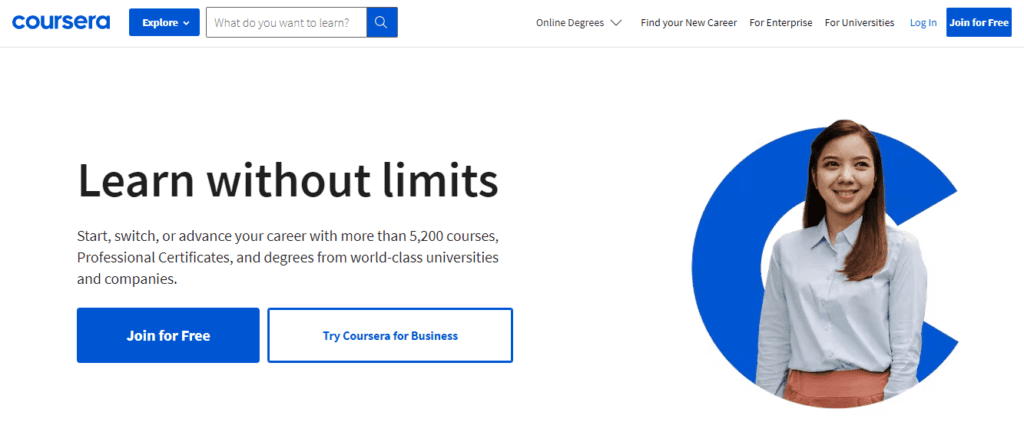
- Best for: Career-focused learners, professionals and certificate seekers
- Commission: 15% to 45% on courses, Specializations, Professional Certificates and Coursera Plus
- Cookie: 30 days
- Network: Impact
Coursera partners with universities such as Stanford and Illinois and companies such as Google and IBM to offer courses, Professional Certificates and degrees. After merging with Udemy in 2026, it’s one of the largest online learning companies in the world, which makes it an easy brand for buyers to trust.
The program pays on most purchases made within 30 days of a click, even if the buyer chooses a different course from the one you linked. Monthly Coursera Plus subscriptions pay on the first month only, and degree purchases are excluded. Career-change content, such as “how to become a data analyst,” pairs naturally with its certificates.
Become a Coursera Affiliate >>>
2. Udemy
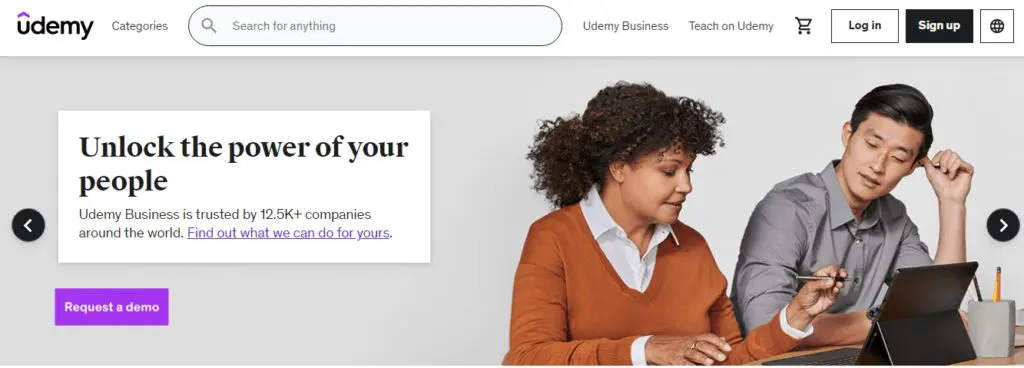
- Best for: Broad audiences that want affordable, practical skills
- Commission: 10% base, with higher rates offered to top performers
- Cookie: 7 days
- Network: Udemy’s own partner program
Udemy is often called the Amazon of online courses. Its marketplace covers coding, marketing, design, business, music, photography and much more, so you can find something relevant in almost any niche. Courses are frequently discounted, which helps conversions but keeps payouts per sale low.
The short seven-day cookie means Udemy works best for readers who are ready to buy, such as those searching for the best course on a specific skill. Link to individual courses you’ve checked rather than the homepage. If you teach on Udemy yourself, see our guide to creating a course on Udemy our list of Udemy alternatives and our Teachable vs. Udemy comparison.
3. Skillshare

- Best for: Creative hobbyists, freelancers and side-project builders
- Commission: 20% of revenue from new paid members, up to $34 per referral
- Cookie: 30 days
- Network: Impact
Skillshare is a subscription platform for short, project-based classes in illustration, design, video, photography, writing and productivity. Members pay once for access to the whole catalog, so you promote a membership rather than a single class.
Because Skillshare is open to anyone with an aligned audience, it’s one of the easier programs to join. It works well in tutorials and “how I learned” content, where a specific class solves a problem you’ve just described.
Become a Skillshare Affiliate >>>
4. Domestika

- Best for: Designers, illustrators, crafters and other makers
- Commission: 40% on first purchases, 20% on recurring purchases and $2 per sign-up without a purchase
- Cookie: 30 days
- Network: Impact
Domestika offers beautifully produced creative courses taught by working professionals, with a strong following in Europe and Latin America. Courses are affordable, and frequent sales make them easy first purchases.
The mix of first-purchase, recurring and sign-up commissions makes Domestika one of the more generous creative programs. Its courses suit visual platforms, so Pinterest, Instagram and YouTube tutorials tend to drive more sales than plain text.
Become a Domestika Affiliate >>>
5. DataCamp
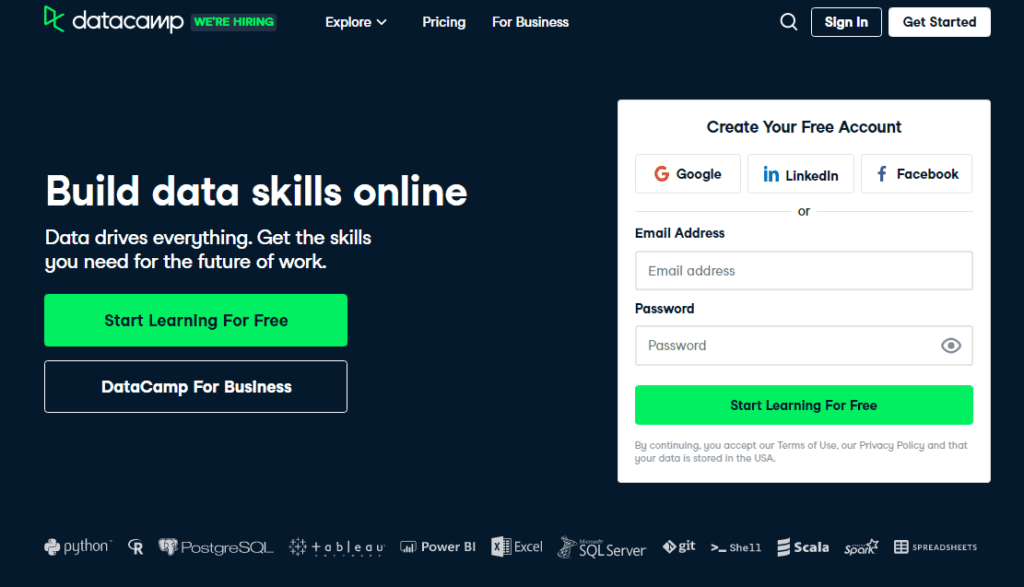
- Best for: Learners building data science, Python, SQL and AI skills
- Commission: 15% to 20% on annual plans, 50% to 80% of the first month on monthly plans
- Cookie: Up to 30 days
- Network: Impact
DataCamp is one of the most trusted platforms for learning data skills, with guided tracks from beginner to advanced and hands-on exercises in the browser. Its brand is well known among data learners, which makes conversions easier.
Annual plans usually earn you more per referral, even at a lower percentage, so point readers to annual pricing where it fits. DataCamp works especially well alongside career-change and AI-skills content.
Become a DataCamp Affiliate >>>
6. MasterClass

- Best for: General, lifestyle and gift-buying audiences
- Commission: 20% of subscription purchases
- Cookie: 30 days
- Network: Affiliate networks, including FlexOffers
MasterClass offers polished video classes from famous names in cooking, writing, business, music and more. The production quality and celebrity instructors give it high perceived value, and it sells well as a gift during the holidays.
MasterClass is more inspiration than skill-building, so it fits lifestyle, creativity and personal development audiences better than technical ones. Expect approval to depend on the quality of your site and audience.
Find the MasterClass Program on FlexOffers >>>
7. edX

- Best for: Learners who want university-backed courses and certificates
- Commission: 10% for most affiliates, 5% for coupon and discount sites
- Cookie: 60 days
- Network: Impact
edX offers courses and professional certificates from institutions such as Harvard, MIT and Berkeley, across business, tech, science and more. Commissions apply to verified certificates and paid courses, but not to master’s degrees or boot camps.
The 60-day cookie is one of the longest on this list, which suits learners who research before they buy. Comparison content, such as “edX vs. Coursera,” fits this program well.
8. Pluralsight
- Best for: Software developers, IT and cloud professionals
- Commission: 30% of the first month on monthly plans, 10% of the first year on annual plans, $1 per free trial
- Cookie: 7-day attribution window
- Network: CJ
Pluralsight offers in-depth courses and skill assessments in software development, cloud, cybersecurity, data and AI, taught by working practitioners. It’s popular with teams as well as individuals.
The short attribution window means Pluralsight converts best with readers who are already comparing tech learning platforms. Team subscriptions pay a smaller 5%, so focus on individual plans.
Become a Pluralsight Affiliate >>>
9. Codecademy
- Best for: Beginners learning to code
- Commission: At least 7% for content creators and at least 5% for coupon or loyalty sites, on annual memberships
- Cookie: Not stated
- Network: Pepperjam (Ascend)
Codecademy teaches programming through interactive, in-browser lessons in Python, JavaScript, web development, data science and more. It’s one of the friendliest starting points for people who have never written code.
Codecademy states minimum rates and offers higher rates for special placements, so a strong coding audience can negotiate more. It suits “learn to code” roadmaps and beginner project tutorials.
Become a Codecademy Affiliate >>>
10. 360training

- Best for: Workforce, compliance and licensing training audiences
- Commission: 20% to 45% tiered by monthly revenue for storefront affiliates
- Cookie: Not stated
- Network: Direct, with a white-labeled storefront
360training sells required training in fields such as real estate, food safety, environmental safety, healthcare and HR. People often must complete these courses to keep a license or a job, which creates steady demand.
Instead of a simple link, storefront affiliates get a white-labeled store on their own website, and businesses can join as resellers. If you serve a regulated industry, this is one of the most practical programs on the list.
Become a 360training Affiliate >>>
11. Master of Project Academy

- Best for: Project managers and PMP, CAPM and Agile candidates
- Commission: 25% per sale, rising to 40% once monthly sales pass $5,000
- Cookie: 30 days
- Network: Awin
Master of Project Academy offers exam prep and training for PMP, CAPM, Agile and other project management certifications. People preparing for these exams have a clear goal and a budget, so they’re ready to invest in a good course.
Your job is to show that the academy is credible. Exam-prep content, study plans and certification comparisons fit this program naturally.
Become a Master of Project Academy Affiliate >>>
12. GoSkills
- Best for: Office, Excel, business and project management skills
- Commission: 10% per sale
- Cookie: 30 days
- Network: Awin
GoSkills offers short, practical courses in Excel, Microsoft Office, business skills and project management, with certificates and a team learning option. Its bite-sized lessons appeal to busy professionals.
The commission rate is modest, so GoSkills works best as a complement to workplace productivity content rather than as your main program.
Become a GoSkills Affiliate >>>
13. Upskillist

- Best for: Beginners exploring new skills and hobbies
- Commission: 20% of net subscription revenue, or a fixed fee per qualified trial
- Cookie: Not stated
- Network: Awin
Upskillist, formerly Shaw Academy, offers beginner-friendly certificate courses in photography, coding, design, music, wellness and more through a subscription.
Commissions only count once a trial converts, and trials canceled within seven days don’t pay. It suits broad self-improvement audiences more than specialists.
Become an Upskillist Affiliate >>>
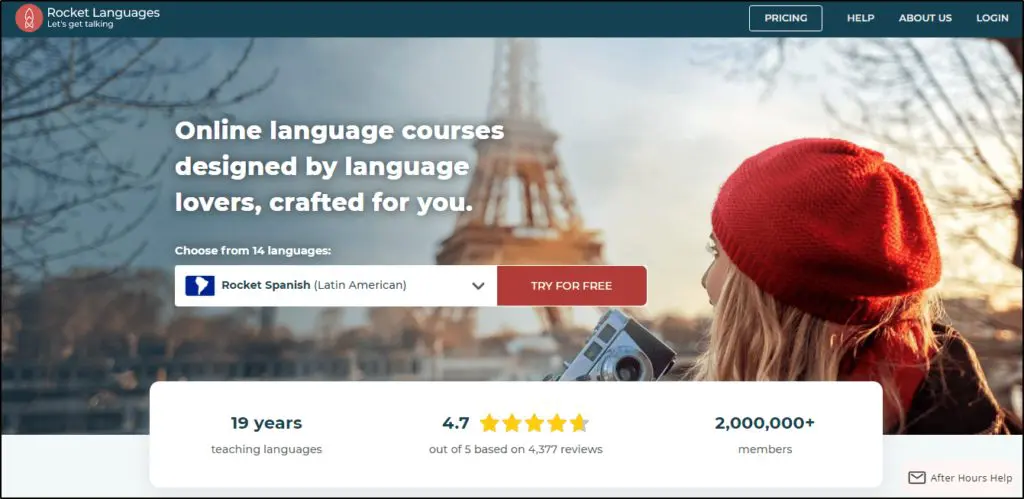
14. Rocket Languages
- Best for: Serious language learners
- Commission: 20% for coupon partners, 40% for content partners and 60% for top performers
- Cookie: Not stated
- Network: Direct partner program
Rocket Languages offers structured courses in more than a dozen languages, with audio lessons, speech recognition and cultural content. Partners get full course access for 30 days to try the product.
The tiered rates reward content creators over coupon sites, which makes it a strong fit for language bloggers and YouTubers who review learning methods.
Become a Rocket Languages Affiliate >>>
15. Babbel
- Best for: Casual and travel-focused language learners
- Commission: Up to €75 per Babbel app subscription and €80 per Babbel Live subscription in the UK program
- Cookie: Not stated
- Network: Impact for the UK, PerformCB for the Americas
Babbel is a popular app for learning languages through short daily lessons, with live online classes as an upgrade. Its brand recognition and simple pricing make it easy to recommend.
Apply to the regional program that matches where most of your audience lives, since terms differ between the UK and US programs.
16. Rosetta Stone
- Best for: Learners who want an immersive, well-known language brand
- Commission: Set in your Impact contract, not published publicly
- Cookie: Not published
- Network: Impact
Rosetta Stone teaches languages through immersion, linking words to images and context instead of translation. It’s one of the most recognized names in language learning, which helps conversions.
Because its terms aren’t public, compare your approved offer with Babbel and Rocket Languages before deciding which to feature.
Apply to Rosetta Stone Through Impact >>>
17. CreativeLive
- Best for: Photographers, designers and creative entrepreneurs
- Commission: Flat fees of $8 per sale, $40 per annual purchase or $20 per monthly purchase
- Cookie: 60 days
- Network: FlexOffers
CreativeLive, owned by Fiverr, offers classes in photography, video, design, music and creative business, taught by working professionals. It suits audiences that want to turn a creative skill into income.
The flat fees are modest, but the 60-day cookie gives you a long window to earn credit. Photography gear reviews and tutorials pair well with it.
Become a CreativeLive Affiliate >>>
Course Platform Affiliate Programs Worth Knowing
If your audience includes coaches, consultants or would-be course creators, the tools they use to build courses often pay better than the courses themselves. These programs pay 30% recurring commissions, sometimes for the customer’s lifetime, and they’re among the programs we promote most here at Learning Revolution. I only recommend them where I can speak to how the platform works.
| Platform | Commission | How long it pays | Cookie | Network |
|---|---|---|---|---|
| Thinkific | 30% of plan revenue, or $150 a month for its enterprise plan | Lifetime of the customer | 90 days | PartnerStack |
| Kajabi | 30% | Lifetime of the customer | Not stated | Kajabi partner program |
| Teachable | 30% | First year of each referral | 30 days | PartnerStack |
| Circle | 30% on standard plans, lower on its top plan | As long as the customer stays, with at least one new referral a year | 90 days | PartnerStack |
Platform commissions only pay off if your referrals stick, so recommend the platform that fits each reader’s situation rather than the one that pays most. Our Thinkific review, Kajabi review, Teachable review and Circle review show how we assess fit, and our guide to the best online course platforms compares them all.
When Promoting Other People’s Courses Makes Sense, and When It Doesn’t
Affiliate income works best as a complement to what you already do. It can also pull attention away from your own products if you’re not careful.
| Promote e-learning programs when | Think twice when |
|---|---|
| Your audience asks you where to learn a skill you don’t teach | The course competes directly with your own course or coaching |
| You’ve taken the course or can judge its quality | You can’t tell whether the course is any good |
| The course fills a gap before or after your own offer | Promoting it would take time away from building your own products |
| You publish content that matches buying intent, such as reviews and comparisons | Your audience isn’t in a learning or buying mindset |
| The program pays enough to justify the effort | Low commissions and short cookies make the numbers unworkable |
I treat affiliate recommendations as part of serving my audience, not as a separate business. If you’re still deciding how affiliate income fits with courses, coaching and other revenue, my guide on how to monetize your expertise covers the bigger picture.
How to Choose the Best E-Learning Affiliate Program for Your Niche
These are the criteria I use when deciding whether to promote a product, adapted for courses and learning platforms.
- Fit with your expertise: Promote courses close to what you know, so your recommendation carries weight.
- Audience demand: Look at the questions your readers ask and the topics your best content covers.
- Commission and model: I favor programs that pay at least 15%, and recurring programs that keep paying while customers stay subscribed.
- Cookie length: Longer windows suit learners who research before buying, such as certificate seekers.
- Brand trust: Well-known platforms convert more easily than unknown ones, even at lower rates.
- Quality: Take the course or a trial yourself, or at least review the syllabus, instructor and reviews.
- Program terms: Check which products pay, whether coupon sites earn less and when payouts happen.
The best deals often aren’t public. Many course creators run private affiliate programs and offer higher commissions to partners with relevant email lists. Build relationships with respected creators in your niche, and you may land partnerships no directory lists. If you run your own program, see my guide on what to look for when recruiting affiliates.
How to Promote Online Courses as an Affiliate
Affiliate links in a sidebar rarely earn much. Courses sell when a recommendation appears at the moment someone needs to learn something, from a person they trust.
| Format | How to use it | Best for |
|---|---|---|
| Honest reviews | Share what you liked, what you didn’t and who the course suits | Readers comparing options |
| Comparison posts | Compare two or three platforms on price, quality and fit | High-intent searches |
| How-to tutorials | Teach part of a skill, then recommend a course to go further | Beginners |
| Email sequences | Recommend a course after several emails of useful advice | Your most engaged readers |
| YouTube and podcasts | Walk through a course or interview the instructor | Visual or audio audiences |
| Your own course resources | Recommend complementary courses in your course or community | Students who already trust you |
Our guides on how to make money blogging and making money on YouTube go deeper on two of the strongest channels for affiliate content.
Search has changed how this works. Ahrefs found that an AI Overview now goes with a 58% lower click-through rate for the top-ranking page. Generic “best courses” lists lose the most traffic, while content with firsthand experience still earns clicks and citations. Email, which reaches people directly, matters more than ever, so see our guide to email sequences.
AI-written affiliate content is also everywhere now. In a creator survey we cover in our elearning statistics, 57.3% of creators said they use AI daily. If you use AI to draft reviews, add your own experience and edit them so they sound like you. My guide on how to humanize AI content shows how.
Finally, always disclose affiliate links clearly. The FTC expects anyone who earns from a recommendation to say so close to the link, and most programs require it in their terms. Sponsorship is a close cousin of affiliate income, and it’s how we fund the Leading Learning Podcast. In both cases, being upfront protects the trust that makes recommendations work.
Ready to Promote the Best E-Learning Affiliate Programs?
You can earn from online courses without creating one, as long as your audience trusts your recommendations. Start with one or two programs that match the topics your audience already cares about, test them in your most relevant content and keep the ones that convert.
This list doesn’t cover every program, so search for “[your topic] affiliate program” to find niche options. And if you’re ready to sell your own course alongside your affiliate recommendations, start with my guide on how to sell courses online.
The Best E-Learning Affiliate Programs | Frequently Asked Questions (FAQs)
Here are short answers to the questions people ask most about promoting online courses as an affiliate.
What are e-learning affiliate programs?
E-learning affiliate programs pay you a commission when someone buys a course, certificate or learning subscription through your tracking link. Platforms such as Coursera, Udemy, Skillshare and DataCamp run them, usually through networks like Impact or Awin. You share links in your content and earn on qualifying purchases.
Which online course affiliate program pays the most?
Tiered and recurring programs usually pay the most over time. Rocket Languages pays up to 60% for top partners, Master of Project Academy rises to 40% above $5,000 in monthly sales and course platforms such as Thinkific and Kajabi pay 30% recurring. What you earn also depends on prices and conversion rates.
How do I choose the best e-learning affiliate program for my niche?
Start with the topics your audience already asks about, then shortlist reputable platforms with strong courses in those areas. Compare commission type, cookie length and payout terms, check course quality yourself and favor programs whose brand your audience already trusts. Fit matters more than the headline rate.
Do I need to buy a course to promote it as an affiliate?
No, but firsthand experience makes your recommendations more credible and usually improves conversions. At minimum, review the syllabus, instructor and student reviews. Some programs offer partners free trials or temporary access, such as Rocket Languages, which gives partners 30 days of full course access.
What is the difference between recurring and one-time commissions?
One-time commissions pay once per sale or on the first subscription payment only. Recurring commissions keep paying for as long as the customer stays subscribed, sometimes for life, as with Thinkific and Kajabi. Recurring programs earn less upfront but can build steady income from referrals who stay.
Can I use affiliate links in YouTube videos and email newsletters?
Yes, most programs allow affiliate links in videos, podcasts and newsletters, though some restrict coupon sites, paid search or brand-name ads. Always read each program’s terms and disclose that you earn a commission clearly and close to the link, as the FTC expects.
Do e-learning affiliate programs require approval?
Most do. Programs on networks like Impact, Awin and CJ review your site or channel before approving you, and some prefer established creators with engaged audiences. Others, such as Skillshare, are open to anyone with an aligned audience. A focused site with useful content improves your chances.
Can I combine affiliate marketing with my own course business?
Yes. Many course creators recommend complementary training they don’t offer themselves, such as a technical course before or after their own program. Just avoid promoting courses that compete with yours, and keep your own products as the main focus of your marketing.
See also: Qualities of Good Affiliates for Selling Your Courses and A Guide to Expert-Curated Affiliate Marketing

Jeff Cobb, Founder of Learning Revolution
Jeff Cobb is an expert in online education and the business of adult lifelong learning. Over the past 20+ years he has built a thriving career based on that expertise – as an entrepreneur, a consultant, an author, and a speaker. Learning Revolution is a place where Jeff curates tips, insights, and resources to help you build a thriving expertise-based business. Learn more about Jeff Cobb here.
Table of Contents
Related Posts
How Dorie Clark Went from 20K to 600K Instagram Followers | Lessons & Frameworks
19 Ways To Find New Content Ideas For Your Blog and Social Media Accounts
Can You Still Make Money Selling Online Courses in the AI-Age? My Honest Response