
TL;DR — How to Drive Traffic to Your Online Course Website (2025)
Traffic generation is about consistently attracting the right visitors to your course website and moving them into your sales funnel. To do this effectively, you need to build long-term organic channels (like SEO and content) while using short-term boosts (like paid ads and partnerships). Focus on solving problems, showing up where your audience hangs out, and building trust at every step.
Here are 18 proven strategies to get started:
1. Choose a fast and reliable web hosting service: Because site speed and security directly impact rankings and bounce rates.
2. Optimize your site’s Core Web Vitals: Improve load speed, interactivity, and visual stability for better UX and SEO.
3. Optimize your content for LLMs and Google AI Overviews: Make your content easier to summarize and surface in AI-driven tools.
4. Create problem-solving blog content: Use your blog to answer real audience questions and rank for valuable keywords.
5. Target long-tail informational keywords: Focus on low-competition, high-intent search queries to drive steady traffic.
6. Use on-page SEO to drive organic search traffic: Strategically place your keywords, headings, and related terms.
7. Build topical authority to rank higher in Google search: Cover your niche comprehensively to become the go-to expert in Google’s eyes.
8. Regularly update your old content: Refresh articles with new info and keywords to reclaim or boost rankings.
9. Use the last updated date in the SEO title: Signal freshness to both Google and your audience to improve CTR.
10. Improve your site’s internal link structure: Connect related pages to improve navigation and spread link equity.
11. Create actionable YouTube and Facebook videos: Use videos to build authority, educate, and drive clicks to your site.
12. Target TikTok, YouTube Shorts, and Facebook Reels: Leverage short-form video for discoverability and viral potential.
13. Drive LinkedIn traffic by sharing knowledge: Post native insights and videos to engage professionals in your niche.
14. Publish X (Twitter) threads for massive exposure: Use threaded tweets to share step-by-step advice and attract followers.
15. Offer a free masterclass to grow your email list: Convert traffic into leads with high-value, pre-recorded webinars.
16. Promote your course with Facebook Ads: Use paid ads to scale your lead generation through tested funnels.
17. Run retargeting ads for your website visitors: Re-engage past visitors with personalized ads that bring them back.
18. Recruit affiliates to promote your course: Build an army of content creators who drive traffic and earn commissions.
Read the article for examples and detailed strategies.
To grow your online course business, you must regularly find ways to increase your website traffic and convert it into subscribers, leads, and customers.
Of course, the biggest traffic source is Google Search since 68% of all online experiences begin with a search engine. So you must ensure your site is perfectly optimized for search engines to attract relevant visitors consistently.
But emerging social media platforms, online groups, and influencer partnerships are excellent traffic sources as well, depending on your target audience.
In this article, we’ll discuss proven organic and paid traffic generation tips which can help you drive highly relevant visitors to your site and add them to your online course’s marketing and sales funnel.
Let’s dive in.
18 Ways To Drive Traffic To Your Course Website
1. Choose A Fast And Reliable Web Hosting Service
The speed and security standards of your website’s web hosting service directly impact its search rankings and user experience because these are critical search ranking factors.
Google requires all websites to use SSL (HTTPS) and load faster than three seconds to provide an excellent user experience. Sites that fail to comply don’t rank in search results despite having superior content.
According to Google’s own studies, the longer a site takes to fully load, the more visitors it loses.
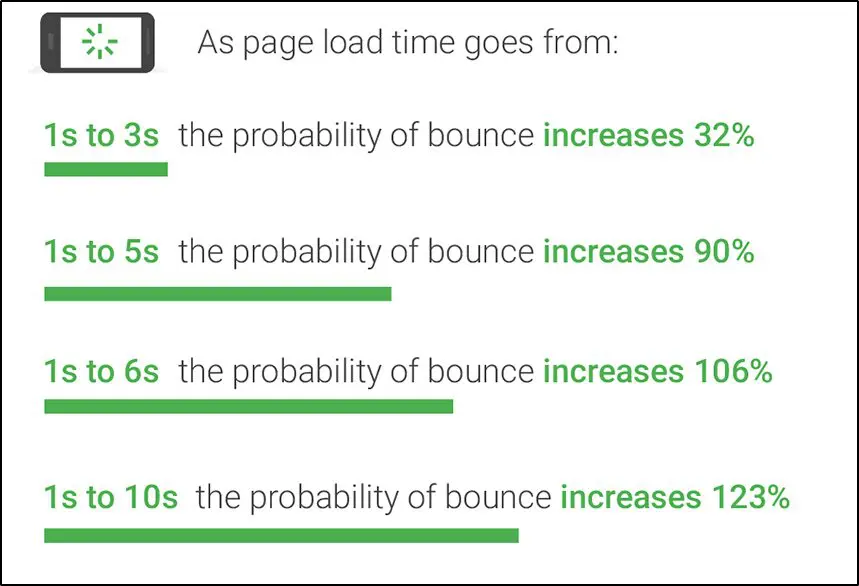
So, as one of my top traffic generation tips, choose the right web hosting service optimized for performance, speed, and security. Not sure which hosting service is right for you? Read our web hosting services guide to find your best match.
2. Optimize Your Site’s Core Web Vitals
Apart from choosing the right web hosting service, you must also optimize your site’s core web vitals to ensure it loads fast and doesn’t lose search ranking because of poor user experience.
Core Web Vitals are three website performance-related metrics that show how quickly and smoothly your site loads and allows users to interact with its content.

Improving your site’s core web vitals is a multi-step process, and you might need to hire an expert from Fiverr or some other freelance site for help.
This detailed guide on core web vitals will help you understand this topic more thoroughly.
3. Optimize Your Content for LLMs and Google AI Overviews
Google’s AI-generated summaries (formerly Search Generative Experience) and Large Language Models (LLMs) like ChatGPT are changing how people discover and consume content.
According a study by SEMRush in March 2025, traffic from AI Overviews and LLMs is expected to overtake traditional search results by 2028.
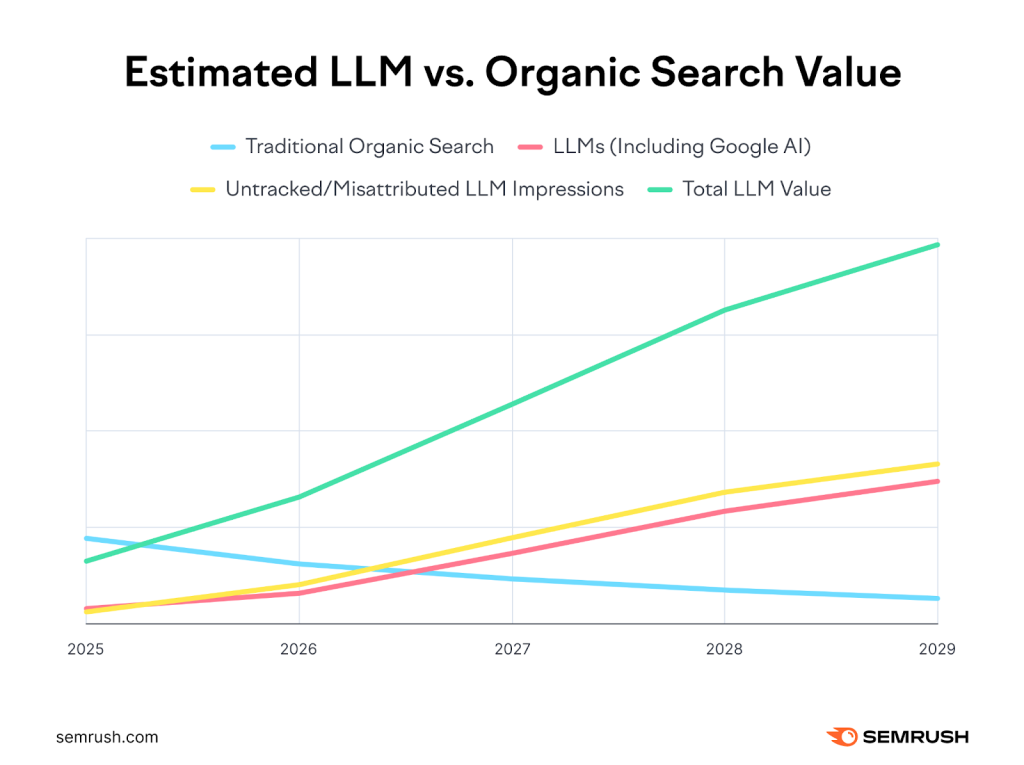
If your content isn’t optimized for these tools, you risk losing visibility even if you rank well.
Here’s how to make your content LLM-friendly:
- Use a clear TL;DR or summary box at the top of your content. Keep it short, direct, and value-packed. Bullet points or bolded takeaways work well.
- Structure your article with clear headings (H2/H3s), step-by-step formats, and one idea per paragraph. This helps LLMs scan and summarize better.
- Answer specific questions naturally in your content. Use queries like “how to…”, “what is…”, “best tools for…”, and answer them directly within the paragraph.
- Add a relevant FAQ section with conversational questions and concise answers. LLMs often pull these for direct answers.
- Label updated sections clearly with timestamps, “updated for 2025”, or “latest insights” to boost credibility and AI trust.
- Avoid jargon, filler, or abstract claims. AI prefers well-supported, clear content with examples, stats, or links to authoritative sources.
- Use schema markup (FAQ, How-To, Product, Author) to help Google AI understand your content structure better. Tools like Rank Math or All In One SEO make this easy.
These tweaks not only help you show up in AI Overviews but also improve engagement and clarity for human readers — a win-win.
4. Create Problem-Solving Blog Content
The best way to attract traffic to your website from search engines, social media, and other sources is to create highly actionable problem-solving content for your audience.
Your audience is actively searching Google and different social media platforms for answers to their questions. They have unsolved problems, and they need step-by-step guidance to move forward.
You can become their biggest knowledge source and go-to expert by adding a blog to your online course website where you regularly publish high-quality content.
Your content would help you rank for hundreds of keywords, feed your marketing and sales funnels, and establish you as a niche authority.
For example, SmartBlogger, a multi-million-dollar marketing blog, has built a thriving online course business thanks to its highly actionable problem-solving content.

SEMRush shows SmartBlogger’s blog content gets more than 300K monthly organic search traffic from the US and 600K+ globally.

This is just one example.
The top digital product sellers, online course creators, and membership sites invest heavily in blog content as it is the most sustainable and long-lasting way to drive traffic and build authority.
5. Target Long-Tail Informational Keywords
When creating blog content for your online course website, focus on long-tail keywords instead of the highly competitive head keywords.
Long-tail keywords are descriptive search terms with three or more words and usually have a much lower search volume than mainstream keywords.
This graph perfectly explains the difference between different search keyword types.
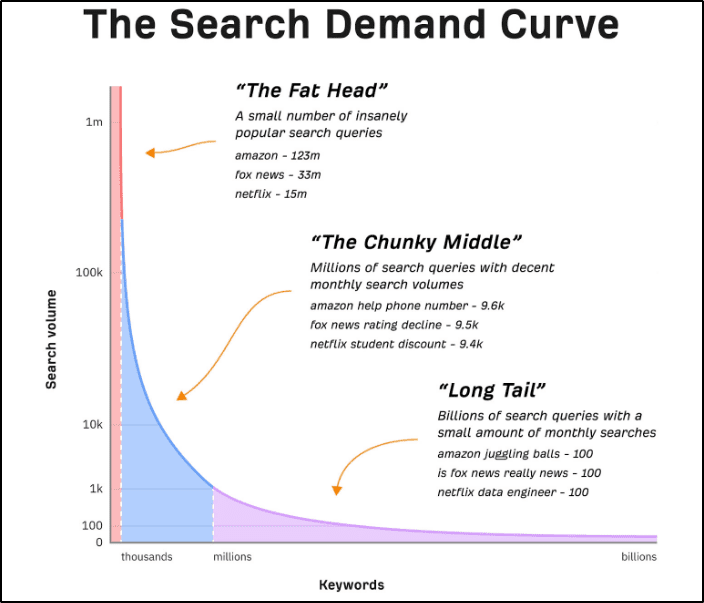
Why target long-tail keywords in blog content?
- They have lower competition.
- They’re more descriptive and tell you precisely what the searcher wants.
- Targeting long-tail keywords helps you rank for medium-tail and head keywords as well.
- Ranking for multiple low-volume long-tail keywords can drive a lot more traffic than ranking on page 2 for a head keyword.
Most long-tail keywords are questions.
Here are a few ways to find them.
Related Questions: Search for your topic and scroll to the Related Questions section in Google Search results to find the most common questions of your audience.

Related Searches: Scroll to the bottom of the SERPs to find related long-tail search keywords.

AnswerThePublic: Use AnswerThePublic to find hundreds of relevant questions and long-tail keywords on your topic.

Ahrefs/SEMRush: Plug your topic in Ahrefs or SEMRush to find long tail keywords with search volume and competition stats.
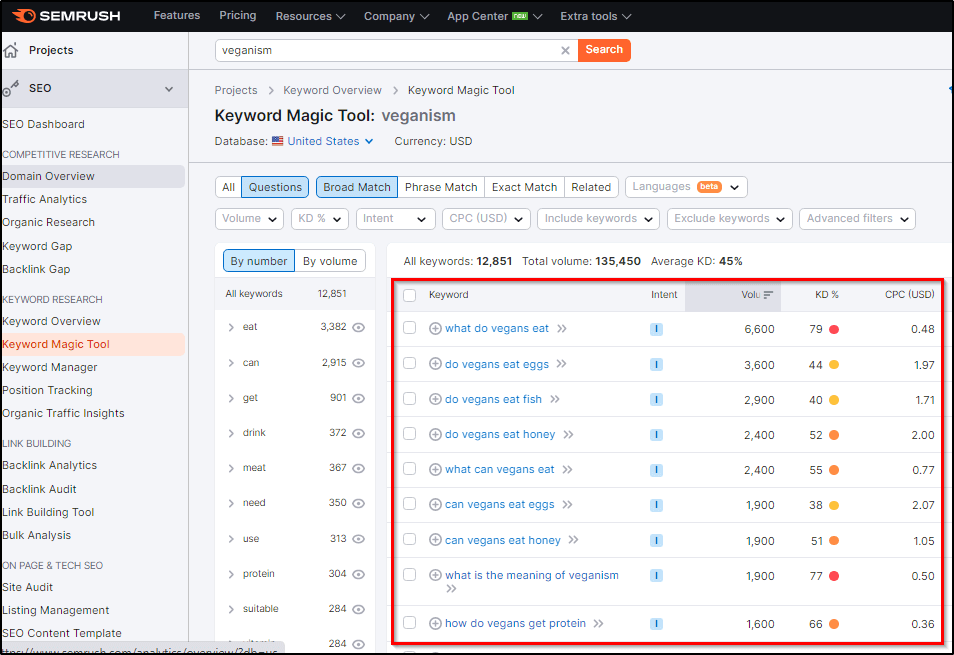
Targeting long-tail keywords will help your content rank faster for dozens of related keywords and drive highly relevant traffic to your website.
6. Use On-Page SEO To Drive Organic Search Traffic
Publishing high-quality content isn’t enough to attract search traffic.
You must also ensure it is perfectly optimized for your target keyword using on-page SEO best practices.
So, when writing content, another of my top traffic generation tips is to use your target keyword in the following places.
- Page title
- H1 headline
- URL
- Meta description
- First 100-150 words of your content
- Multiple H2 and H3 headings
- Throughout your content body.
- Conclusion text
- Image alt-text
In addition, list semantically related keywords and synonyms of your primary keyword and use them throughout your content.
Here’s an example of such keywords.

If you’re serious about traffic generation with SEO, consider using SurferSEO or Clearscope to optimize your content for on-page SEO. Both these tools find the most relevant keywords from your competing articles and list them by importance, allowing you to create more well-rounded content.
7. Build Topical Authority To Rank Higher In Google Search
Google no longer ranks articles and pages in isolation. Instead, it considers the overall authority of a site on the topic it wants to rank for.
For example, a dog food website is unlikely to rank for a real estate keyword even with great content because it lacks search authority.
So, to rank for your target keywords, you must build topical authority and show Google you’re an expert.
How do you do that? By covering your wider niche from all angles in separate articles.
Instead of only targeting the keyword you want to rank for, find all the keywords and questions related to your niche so that your site becomes the ultimate knowledge source on your topic.
For example, if you want to rank for “project management software”, you must also write separate articles on topics like:
- What is project management
- How to become a project manager
- What are project management best practices
- Why project management is important
- Different project management methodologies
- Project management career path
- Qualities of a good project manager
- Common project management mistakes
Your topical authority grows as you publish new articles covering your topic from different angles. As a result, ranking for highly competitive keywords becomes easier because Google believes you’re a credible source of knowledge.
8. Regularly Update Your Old Content
Updating your old blog content with new, more accurate, and relevant information is among the fastest ways to increase your traffic.
If you’ve been creating content for a few years on your blog, revisit your best-performing posts every 4-5 months to see if you can improve them in any way.
For example, you can add new data or update old sources, include fresh expert quotes, edit the page title and subheadings, and ensure all the external links in the content are still valid.
Plus, dive into your Google Search Console account and follow these steps to instantly improve your on-page SEO.
Step 1: Click search results in the side menu.
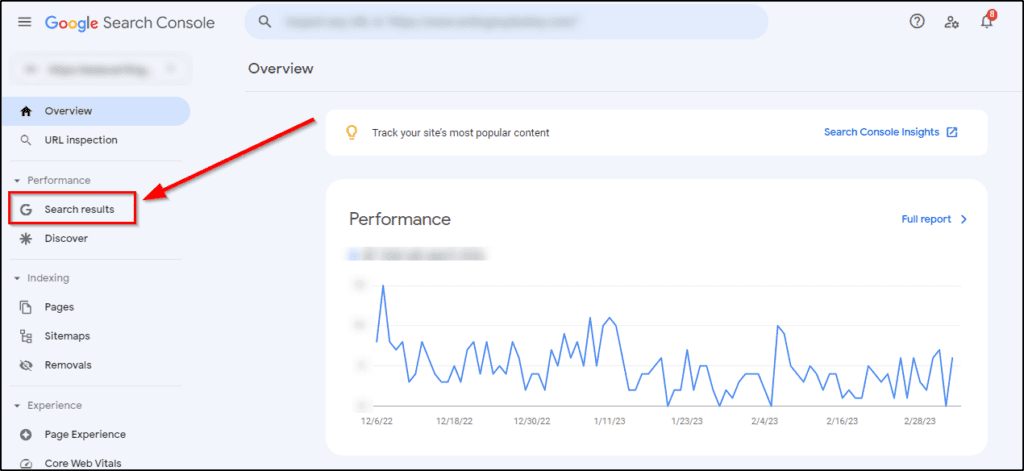
Step 2: Enable the Average Position metric.

Step 3: Click the Pages tab to see your site’s top traffic pages.
Step 4: Click on any page link from the list.
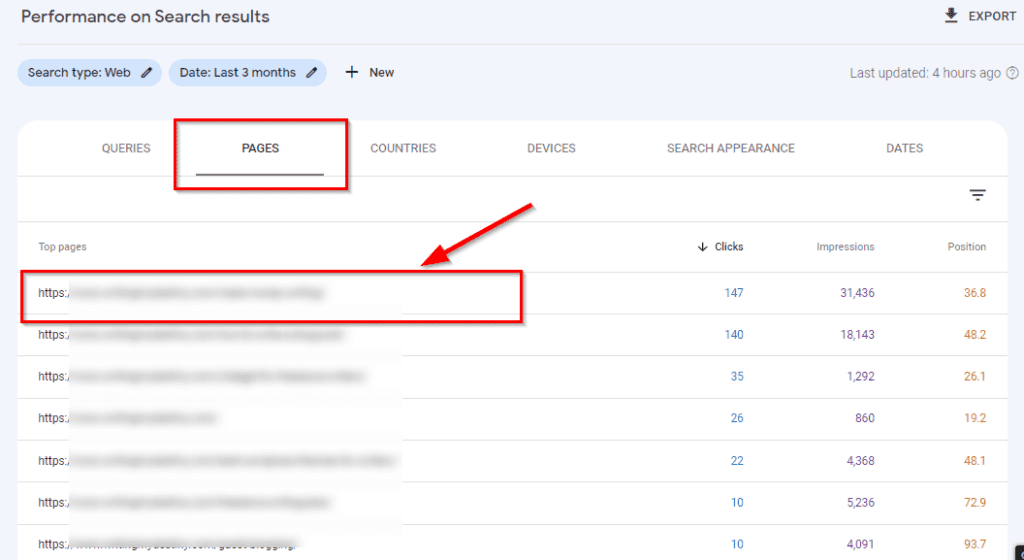
Step 5: Click the Queries tab to see the search terms your selected page ranks for.
Step 6: Now focus on the Position column and look for relevant keywords where your page ranks for position 11-20 (page 2)

Step 7: Update the content of your page using these keywords to boost your ranking in just a few days.
9. Use The Last Updated Date In The SEO Title
Adding the “last updated” date to your articles and using the current year in the page title are some of my easiest traffic generation tips to show both Google and users that your content is fresh and updated.
Doing this is particularly helpful for evolving topics where the user is looking for the latest information. For example, if you search for “WordPress security tips”, which of these articles would catch your eye?
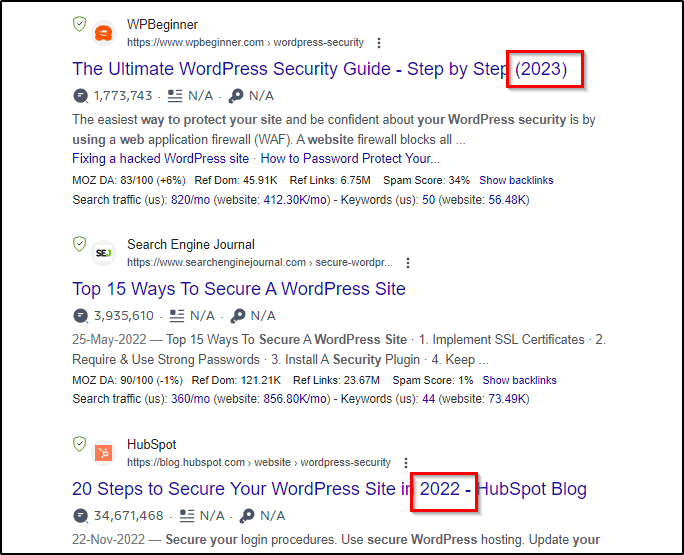
The one with the latest year (2023), right? Because you want the latest security tips, not outdated advice.
So, adding the latest year to your post improves its search CTR as it does a better job at convincing users to click your link.
In addition, the “last updated” date shows Google that your content is fresh with the latest information. You can use free plugins like “All In One SEO” or “WP Last Modified Info” to add this feature to your blog.
But make sure you only update the date after making significant changes like adding new data and quotes or removing entire paragraphs or outdated advice.
10. Improve Your Site’s Internal Link Structure
Adding internal links to your content helps your visitors discover the other relevant pages of your site and allow Google to index your content faster. In addition, it helps transfer search authority to your site’s new pages.
It’s an easy SEO win that most content creators ignore.
What’s the right way to create internal links?
Ideally, any page on your site should be just three clicks away from the homepage.

In addition, keep the following tips in mind when building internal links.
- Link between contextually relevant pages.
- Use keyword-rich anchor text for your internal links.
- Create at least one internal link in the first 100-150 words.
- Don’t use the same internal link multiple times on a page.
- Don’t use excessive internal links (3-4 for every 1000 words max).
11. Create Actionable YouTube And Facebook Videos
Both YouTube and Facebook are among the most profitable traffic sources for online course creators because they allow you to share knowledge, enhance credibility, and build a relationship with your audience.
What’s the best way to use these platforms for traffic generation? Create short and actionable videos answering the different questions of your audience (the same questions you identified for your blog). In addition, optimize your videos for maximum search visibility on these platforms.
Anton Kraly, the owner of the Dropship Lifestyle training program, has a thriving YouTube community of 100K+ subscribers and uses his channel to drive thousands of visitors to his online courses.

Similarly, he and many other successful course creators have widely followed Facebook Pages, profiles, and groups where they post short, actionable videos and earn their audience’s trust by answering their questions.
Building a following on these platforms requires consistency and patience. But the results make it all worth the effort.
Here’s our complete guide to growing a successful YouTube channel to help you on your way.
12. Target TikTok, YouTube Shorts, And Facebook Reels
TikTok has taken the social media world by storm and is second only to Facebook in terms of the number of monthly active users.
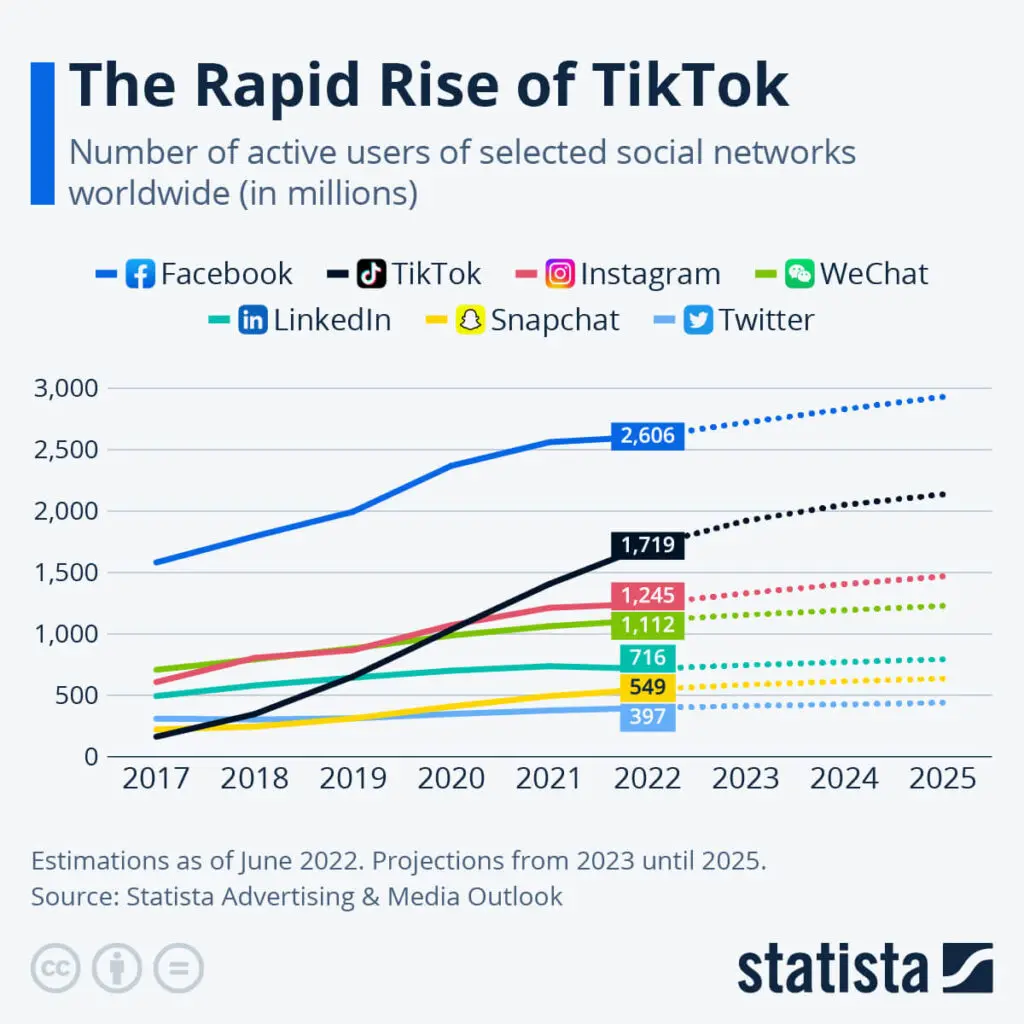
Seeing TikTok’s success, YouTube launched Shorts, and Facebook introduced Reels to attract users.
The result? All three of these platforms are growing like crazy.
Both Facebook and YouTube are actively pushing their versions of TikTok on user timelines and giving additional exposure to short videos.
This is an excellent opportunity to promote your online course business, grow your following on these platforms, and drive thousands of visitors to your site.
So, along with the conventional long-form informational videos, some other traffic generation tips are to use TikTok, YouTube Shorts, and Facebook Reels to promote catchy short videos that generate interest and lure people to your site.
Here are a few examples.

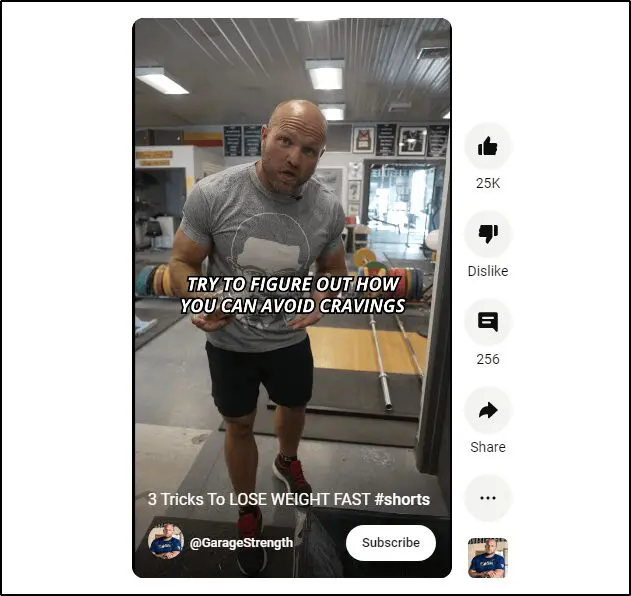

Just head over to these platforms and search for your topic to find numerous other live examples of the type of content people are creating to generate massive user engagement.
13. Drive LinkedIn Traffic By Sharing Knowledge
LinkedIn is an ideal social network for course creators because it is a platform where professionals want to enhance their skills, grow their network, and find new career opportunities.
In addition, LinkedIn has a much friendlier algorithm than Facebook and gives more exposure to your posts and videos.
But to drive traffic to your site, you must consistently publish helpful content and actionable videos for your audience, using the right hashtags.
Joel Klettke, a leading copywriter and founder of Case Study Buddy, is an excellent example. He regularly publishes actionable posts and videos on LinkedIn and uses the platform to drive thousands of visitors to his site.

Instead of posting links to your blog content or YouTube videos on LinkedIn, create native LinkedIn posts and upload your videos directly to the platform for more exposure and engagement.
14. Publish X (Twitter) Threads For Massive Exposure
X (Twitter) is a traffic and engagement goldmine for marketers willing to play the long game. Like most other platforms, it takes consistency and time to build a following on Twitter and drive traffic from it.
But if you keep sharing valuable advice, Twitter’s algorithm promotes your content to relevant users and helps you grow your audience faster.
George Ten, a successful copywriter, went from zero to 100K+ Twitter followers in just one year, writing in-depth and actionable Twitter threads.

His massive following on the platform now allows him to drive thousands of visitors to his online courses and membership programs.
But writing valuable Twitter threads is hard work and requires research and planning. So, focus on publishing one thread per week while Tweeting regular content around it.
Also, instead of doing everything from scratch, repurpose your most popular blog content into multiple Twitter threads to save time.
15. Offer A Free Masterclass To Grow Your Email List
An engaged email list is among the most valuable assets of any online business, as it allows you to drive traffic to your site at will.
So, another one of my traffic generation tips is to focus on building your email list from day one. And the best way to do it for an online course business is by offering a free webinar or masterclass where you give your audience a taste of your premium content.
You can automate this process using a recorded webinar or masterclass that plays like a live session when a new subscriber signs up to your email list.
Adam Enfroy’s webinar funnel is a great example.

Once you record and configure your automated webinar, create a landing page to collect emails and start attracting subscribers by promoting it on your social media profiles and website.
We’ve written a detailed guide sharing other lead magnet ideas if webinars are not your thing.
16. Promote Your Course With Facebook Ads
If you want to grow your online course business fast, you must invest in Facebook advertising, as it is still the most profitable advertising platform for eLearning professionals.
But what’s the right strategy for using Facebook Ads? Let me give you some quick tips.
First, use Facebook ads to promote your free masterclass, or others lead magnets. This way, you can grow your email list and add prospects to your sales funnel.
Here’s an example of a Facebook ad promoting a free masterclass.

Your ad traffic should land straight on your webinar page, where they can sign up for your email list.
From there, you should already have the right email sequences ready to engage your subscribers, provide them value, and ultimately convert them into customers of your paid program.
But keep a close eye on your advertising costs because you must stay profitable while running ads. So, test different variations of your ad and double down on the one that gets you the highest conversion rate at the lowest cost per click.
Read our detailed Facebook ads guide for step-by-step instructions and more examples.
17. Run Retargeting Ads For Your Website Visitors
Ever wondered how you start seeing Facebook and Google ads from websites you’ve recently visited? That’s called retargeting, and it’s an excellent way to drive more conversions on your ads.
According to a study, a brand’s retargeting ads have a 70% higher conversion rate than its original ads.
How do you enable retargeting on your site? Follow these steps.
- Get your Facebook Pixel and Google Ads retargeting scripts from your respective accounts.
- Copy/paste the scripts to your website and landing page headers.
- Go to your advertising accounts to ensure the scripts are working fine.
When someone visits your website or landing page, you can show them Facebook and Google ads promoting your courses or free resources.
We’ve explained the process of creating Facebook retargeting ads in our guide. For Google ads, you can find step-by-step guidelines in this article.
18. Recruit Affiliates To Promote Your Course
Want to grow your website traffic even faster? Start an affiliate program to recruit relevant and influential content creators to promote your course for a commission. You can pay them to drive customers to your course or leads to your webinar funnel.
However, you must be careful about the following things when creating an affiliate program for your course:
- Recruit established affiliates with a clean reputation.
- Identify your preferred traffic channels (for example, blog or email) to avoid low-quality traffic on your site.
- Choose an online learning platform that offers affiliate management features to save time and resources.
- Create a low-priced tripwire product for affiliates to promote. This would help your affiliates drive more conversions and allow you to pay smaller commissions because of the low product price tag.
- Pay affiliates for every customer who upsells to purchase your high-ticket offer.
Running successful affiliate campaigns has much to do with your relationship with the right influencers. So, actively network with content creators in complementing niches and value the relationship you build during your affiliate campaigns. Because a resourceful affiliate army can help you drive thousands of visitors to your site and skyrocket your course sales.
Ready To Drive More Traffic To Your Website?
Traffic generation isn’t rocket science.
But there are no credible ways to drive instant traffic to your site unless you’ve invested time in growing online assets such as an email list, social media profiles, and influencer networks.
Until then, you must rely primarily on traffic generation tips like solid SEO strategies and paid advertising to drive traffic to your content and landing pages.
So, if you’re starting from scratch, give yourself six months to build your organic traffic channels. Meanwhile, keep investing in paid campaigns as long as it is profitable and within your marketing budget.
Let me know your questions in the comments.
Frequently Asked Questions (FAQs)
- How long does it take to see results from organic traffic strategies?
Organic traffic strategies like SEO and content marketing typically take 3–6 months to show consistent results, depending on your niche, competition, and publishing frequency. - What’s the best traffic strategy for a brand-new course website?
For new sites, combining a free lead magnet (like a masterclass) with Facebook ads is often the fastest way to build your email list and validate your course idea. - How much should I spend on paid traffic if I’m just starting out?
Start with a small, test budget — around $5–$10/day. Monitor cost per lead (CPL) and conversion rates before scaling. - Should I prioritize building traffic or launching my course first?
Build a basic landing page and email list first, even if your course isn’t ready. Drive traffic to it to validate interest while developing your course. - Can I drive traffic without a blog or YouTube channel?
Yes, through social media platforms like LinkedIn, TikTok, and X (Twitter), or by leveraging affiliate partnerships and paid ads. - What type of content performs best on social media for course creators?
Short, actionable content that educates or solves a micro-problem — especially in video or carousel format — performs best across platforms. - Do I need a personal brand to drive traffic to my course?
No, but it helps. Building a recognizable voice or face behind your content improves trust and click-through rates, especially in competitive niches. - How do I track which traffic sources convert best?
Use UTM parameters in your links and connect them with tools like Google Analytics or a CRM to track conversions by source. - Is it worth investing in influencer marketing for course traffic?
If you find niche influencers with highly engaged audiences, it can be a great one-time boost — especially for launching or validating a course. - How do I protect my course site from traffic drops due to algorithm changes?
Diversify your traffic sources. Don’t rely solely on SEO or a single platform — mix organic, paid, social, email, and referral traffic for long-term stability.

ABOUT YOUR HOST
Learning Revolution founder Jeff Cobb is an expert in online education and the business of adult lifelong learning. Over the past 20+ years he has built a thriving career based on that expertise – as an entrepreneur, a consultant, an author, and a speaker. Learning Revolution is a place where Jeff curates tips, insights, and resources to help you build a thriving expertise-based business.
Related Posts
What Is A Masterclass And How To Host One in 2026 [Complete Guide]
The Complete Guide To Pricing A Masterclass (2026) | Free Pricing Calculator
YouTube SEO Best Practices (2026): The Complete Guide To Optimizing Your Videos