

TL;DR — Email Marketing Best Practices for Course Creators (2025)
Email marketing still works, but only if you use it to build trust before selling. Your subscribers won’t buy until they see you as an expert. So lead with free value, consistent communication, and helpful content before pitching your courses. Once you’ve built that foundation, follow these best practices to grow and engage your list:
1. Use Lead Magnets: Offer free PDFs, quizzes, or mini-courses to attract quality subscribers.
2. Pick the Right Tool: Choose an email platform built for creators — Kit is a solid start.
3. Segment From Day One: Group subscribers by needs or experience to send relevant messages.
4. Write a Great Welcome Email: Make a memorable first impression with a friendly, helpful intro.
5. Automate Sequences: Set up automated nurture and launch emails to save time and scale faster.
6. Use a Human Sender Name: Send from your real name to build connection and trust.
7. Craft Curiosity-Driven Subject Lines: Tease the benefit, don’t give away the answer.
8. Personalize Your Emails: Speak directly to subscribers based on their actions and interests.
9. Apply the PAS Formula: Describe the problem, agitate it, then offer your course as the solution.
10. Use the AIDA Framework: Grab attention, build interest, spark desire, and end with action.
11. Write Compelling Preview Text: Use it to extend your subject line and hint at what’s inside.
12. Avoid “No-Reply” Addresses: Encourage replies and real conversations with your list.
13. Share Behind-the-Scenes Content: Give subscribers a peek inside your premium offers.
14. Send Emails at the Right Time: Test your analytics, but 9 AM–3 PM generally works best.
15. Respect Their Inbox: Limit to 2–3 high-value emails per week (except during launches).
16. Ask Questions: Get replies to boost engagement and avoid spam filters.
17. Keep It Plain Text: Text-only emails feel personal and land better than flashy designs.
18. Add One Clear CTA: Each email should have a single, focused action.
19. Format for Easy Scanning: Use short sentences, subheadings, and bold highlights.
20. Tell Stories and Be Yourself: Write like you talk — real and relatable wins.
21. Reuse and Resend: Repurpose proven content to reach those who missed it the first time.
22. Ask for Referrals: Invite happy subscribers to share your emails with friends.
23. Clean Your List Regularly: Remove inactive subscribers to improve deliverability and save costs.
Bottom line: Email marketing is about building and nurturing relationships. Show up consistently, teach generously, and sell only after you’ve built real trust.
Email marketing is dead. I agree.
It’s dead for those who don’t know how to use it.
Those who do, are making thousands of dollars from their email lists. According to Kajabi’s 2025 State of Creator Commerce Report, 55% of the top creators consider email marketing the most important channel for success.
Want to be successful like them? It’s not enough just to put an email marketing platform in place. You have to know how to use it.
In this article, I’ll walk you through 23 email marketing best practices to help you grow your subscriber base, increase user engagement, and convert unsure prospects into loyal customers.
Let’s dive in.
The Secret To Email Marketing Success In The AI-Age
Before we jump into email marketing best practices, let’s address something big that’s changed since 2022.
With the rise of generative AI tools like ChatGPT, Claude, and Gemini, audiences no longer know who’s actually writing what they read online. Is it you? An assistant? Or a bot?
That uncertainty makes email marketing more critical than ever because it’s still your most personal channel. It’s where you can talk directly to your audience, show your real personality, and remind them there’s a human behind the content.
In a sea of generic social posts, blog articles, and AI-written YouTube scripts, your emails are your identity. They build credibility, create trust, and keep your message authentic.
And that’s the foundation of all email marketing success.
If you want your emails to drive sales and conversions, start by giving free value to your subscribers. Email’s main role is to help you build a relationship and position yourself as the go-to expert in your niche. Because people won’t buy your premium courses until they trust your expertise.
So don’t flood inboxes with constant promotions.
Focus instead on sending free, actionable tips and insights your audience can apply right away. Over time, that consistency builds authority and trust.
And that’s what makes your promotional emails work when the time is right.
Grow Your Online Business With These Email Marketing Best Practices
Let’s discuss email marketing best practices to help you grow your digital product business.
1. Use Lead Magnets To Grow Your List Organically
When you start building an email list from scratch, you might be tempted to purchase an email list. But don’t do it.
Apart from the potential legal issues you might face for sending unsolicited emails, purchasing an email list rarely works because there’s no relationship between you and your subscribers.
The right approach is to grow your email list organically using a double opt-in lead magnet on your website, blog, or landing page.
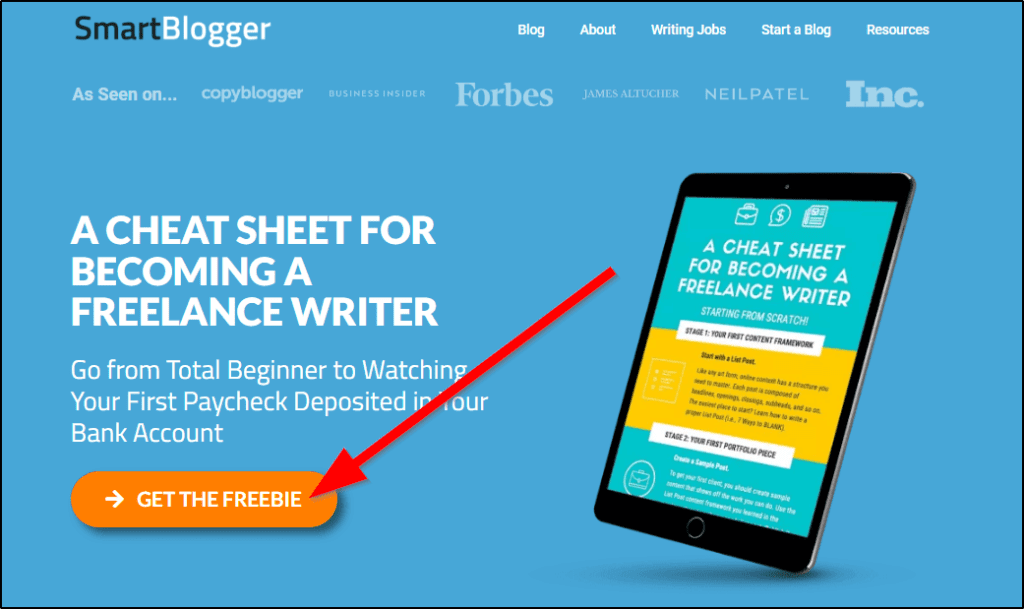
For example, this site, selling premium freelance writing courses, offers a free PDF cheat sheet as a lead magnet.
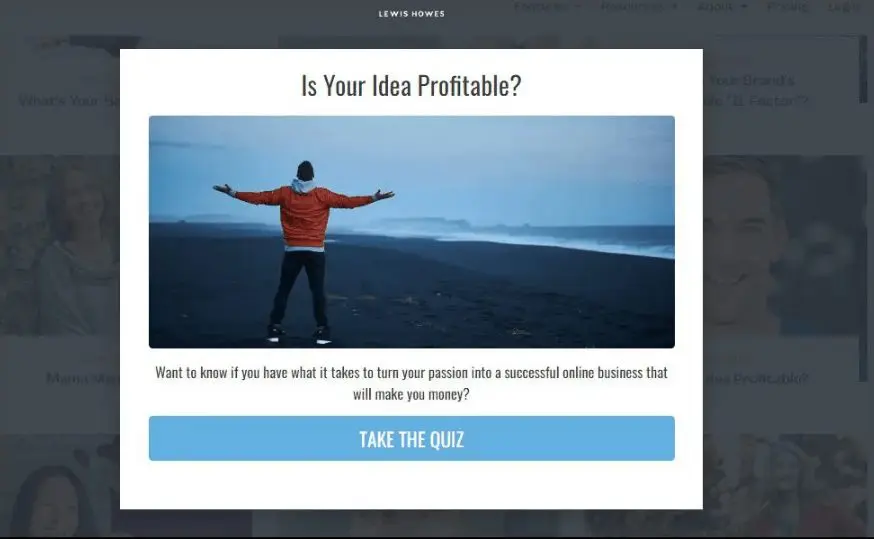
Lewis Howes, a professional coach and course seller, uses quizzes as lead magnets to grow his email list.
You can also use free webinars, video tutorials, eBooks, etc., to attract email subscribers to your list. Here are some of the best list-building tools to make your job easier.
2. Choose The Right Email Marketing Tool
Your email marketing tool largely determines how you can engage your subscribers and grow your email revenue. This is why choosing an email service that aligns with your long-term goals is critical.
As a digital product seller, you need email marketing features like advanced automation, subscriber segmentation and management, lead generation tools, landing pages, and sales funnels.
ConvertKit (now Kit) offers all those features (plus a lot more), which is why I consider it the ideal email marketing tool for course creators and people selling digital downloads.

But there are many other great options you can explore in our list of the best email marketing tools.
3. Segment Your Contacts From The Start
If you want to personalize your email marketing and drive more engagement from your list, you must segment your subscribers from the time they sign up to your list.
This is critical because, as a coach, consultant, or course creator, you most likely attract different types of prospects. Their needs are similar, but you must treat them differently because they require unique solutions.
For example, if you’re a freelancing coach, you’ll attract all kinds of freelancers to your premium program. But the needs of a freelance writer are different for a freelance designer versus a programmer.
Similarly, if you blog about graphic design, your website visitors would include wannabe designers looking to learn from you and businesses looking to hire you.
By segmenting these subscribers from the beginning, you can create unique email journeys that address their problems better.
4. Nail The Welcome Email
Welcome emails have a 43% higher open rate, 4x higher clicks, and 23x higher conversion rates than regular emails.
In short, you have to make them count.
Surprisingly, many digital marketers use the default welcome emails of their email marketing tool and spoil this excellent opportunity to engage their subscribers.
What should you do then? Tarzan Kay’s welcome email is an excellent example.

It is funny, personalized, starts a conversation, delivers her best content, and immediately sets the expectations for her future emails.
So, when creating your next welcome email, keep these tips in mind.
- Introduce yourself and thank the subscriber for signing up
- Tell them what to expect (ideally, the days and themes of your emails)
- Give them the lead magnet they signed up for
- Share links to at least 1-2 of your best resources
- End the email with a question (tell me the one thing that confuses you the most about [your topic])
Doing this encourages subscribers to respond to your emails and trust you more as an expert.
5. Use Automated Email Sequences For Exponential Growth
To scale your membership site, online course, or online learning business, you need to replace manual work with intelligent automation. This is where automated email sequences come in.
Research shows that marketing automation drastically improves your productivity, user engagement, and lead generation.

What are automated email sequences? They are emails automatically sent to subscribers at different stages of their email journey.
You need to write and configure these email sequences once and your email marketing software keeps sending them to any subscribers who meet your targeting criteria.
Here are some of the most effective automated email sequences for digital product sellers.
- Welcome emails
- Lead nurturing
- Content updates
- Abandoned cart
- Thank you emails
- Course launch emails
- Engagement emails
- Cross-sell/Upsell emails
You don’t need all of these sequences at once. But you should add new sequences to your marketing strategy as your subscriber base grows to scale your business continuously.
6. Humanize Your Sender Name
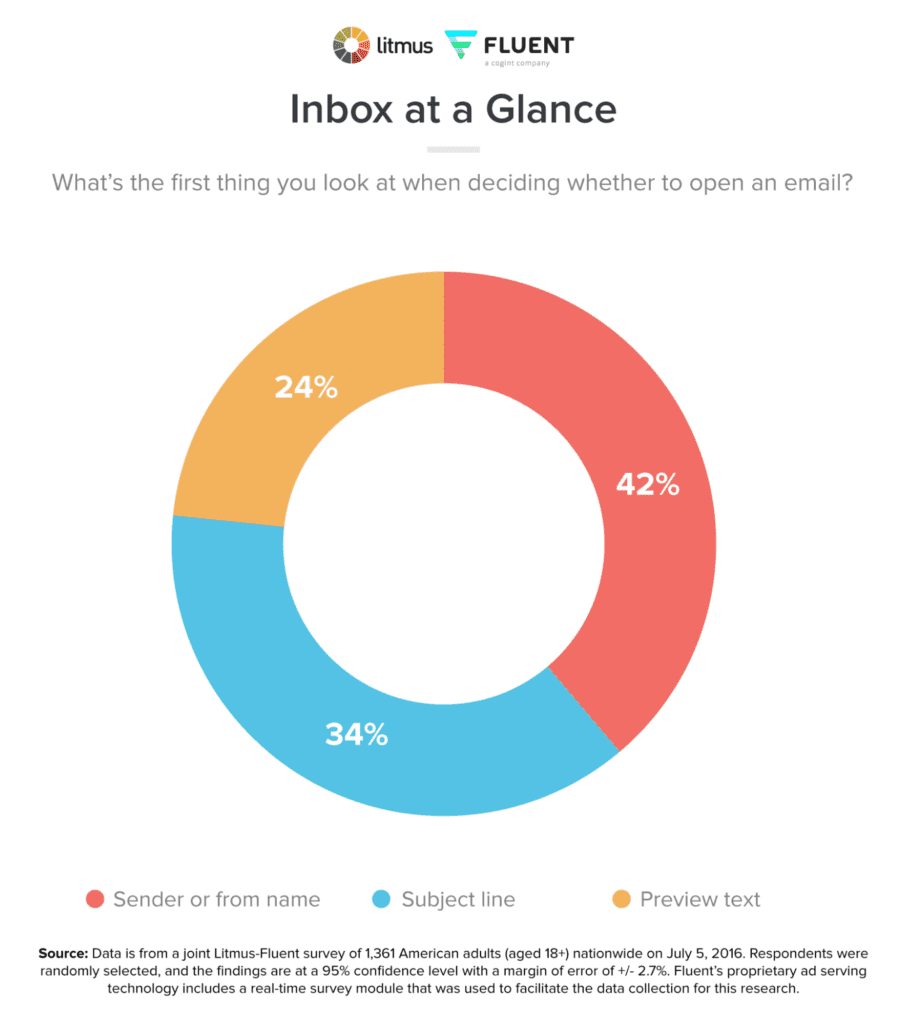
Did you know that your sender name impacts your email open rates (even more than your subject line)? According to a Litmus survey, 42% of email users decide whether to open an email based on the name in the From field.
So, should your sender name be your brand or a human name? For eCommerce companies or SaaS businesses, using brand names in the From field works because consumers think of them as business entities, not people.
But online course sellers mainly sell their products because of their personal brand and expertise. So, your emails should always have your name in the From field so your subscribers can immediately identify them.
If you want to promote your brand as well, you can use [Your Name] From [Brand Name] as your sender name.
7. Evoke Curiosity With Your Email Subject Line
Your email subject line is like the title of an article or blog post. If it doesn’t immediately grab attention, your subscribers won’t open or read your emails.
So, writing engaging email subjects that evoke curiosity and make people click to see what’s inside is critical.
Here are three subject lines that stood out in my email inbox.
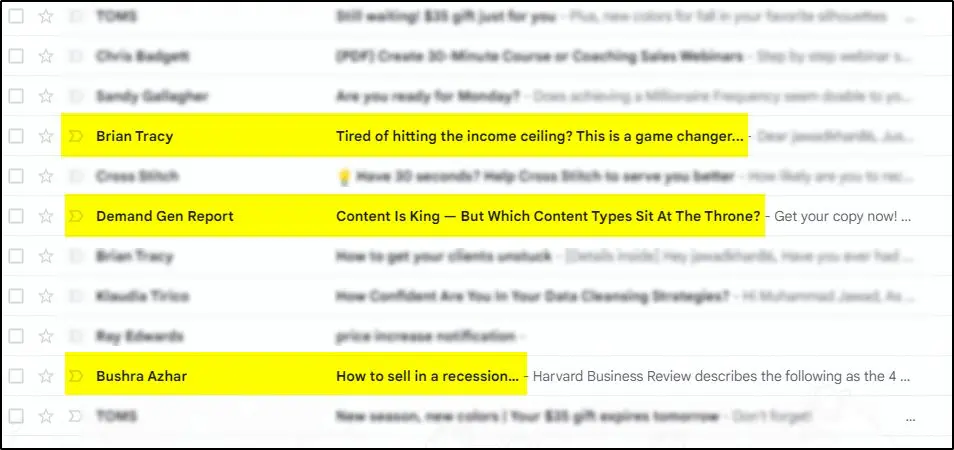
If you notice, all of them highlight a problem and tease the subscriber without revealing the solution. Keep your audience’s issues and interests in mind and think of a subject line they’d care about.
Using your subscriber’s name in the email subject line is also a proven way to get their attention.
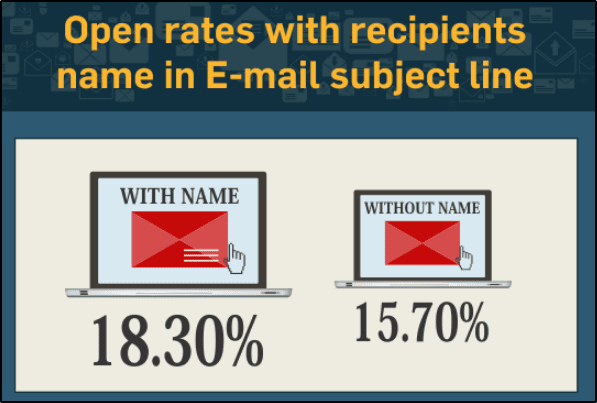
But also remember that subject lines are promises you must fulfill with your email content. If you trick your subscribers into opening emails without delivering value inside, they won’t trust you again.
Our goal is not to get our emails opened. Instead, we want our subscribers to open our emails AND convert by clicking the CTA inside.
That’ll only happen when your email subject and body content are aligned.
8. Personalize Your Email Content
Email personalization means creating tailored content for your subscribers based on their activity, interests, demographics, position in the buyer’s journey, and engagement with your product/content.
According to research, 59.4% of consumers expect brands to personalize their email experience by offering content and product recommendations based on their interests.
How can you personalize your emails as a digital product seller? Here are a few ways.
- Use the subscriber’s name in your email subject and content.
- Get feedback on the products they’ve purchased from you.
- Share tips based on their expertise (e.g., different emails for beginners and experts).
- Send birthday wishes.
- Send reminders to use your product if they haven’t signed in for a while.
- Trigger emails based on the links they clicked in your previous email campaign.
- Email based on their engagement with your previous emails.
Remember, you can only personalize your email strategy as much as your email marketing software allows. So choose your email software carefully.
9. Use The PAS Formula To Write Persuasive Emails
Problem, Agitation, Solution (PAS) is a copywriting formula that allows you to create persuasive content for different marketing channels.
Applying it to your email copy can help you write engaging emails and convince your subscribers to take action.
Here’s an example of an email written using the PAS formula.

It’s easy to confuse Problem and Agitation when using PAS. So, to simplify, think of Problem as the wound and Agitation as salt.
After initially describing the problem, create a scenario where the subscriber can imagine themselves suffering. That’s agitation.
Pitching the solution is much easier if you do the first two parts well.
10. Drive More Conversions Using AIDA
Attention, Interest, Desire, Action (AIDA) is another copywriting formula idea for converting strangers into leads and customers using a single piece of content.
Here’s an excellent example of an email written using AIDA.

AIDA works well for long-form emails where you want to pitch your program or offer in detail with examples.
11. Don’t Ignore The Preview Text
The preview text appears next to your email subject and is only visible from your inbox.

Marketers often ignore the preview text since they’re mainly focused on creating the right subject line. Don’t make that mistake because research shows 24% of users read the preview text before opening an email.
Use the preview text to create more interest in your email by expanding on your email subject. It should give your readers a glimpse of what’s inside without revealing the whole picture.
12. Avoid Using “No-Reply” Emails
As a digital product seller, your goal with email marketing is to engage your subscribers, build a strong relationship with them, and establish yourself as the go-to expert for everything related to your niche.
To achieve this, you should encourage your subscribers to respond to your emails, ask questions, and share feedback.
So, never use a no-reply email address to send emails. Instead, set the default reply-to email to a dedicated email address in your name so your subscribers know you’ll get their responses and respond to them.
13. Offer An Inside Look At Your Products
Giving your email subscribers an inside look at your premium products from time to time is an excellent way to warm them to your launch campaign.
For example, you can share screenshots of the conversations from your premium Slack group or invite-only mastermind group. Similarly, you could share a lesson from your premium course or a behind-the-scenes video showing how you’re preparing the content of your premium product.
This creates curiosity in your subscribers and makes it easier to convert them into customers.
14. Optimize Your Email Sending Times
An internet user sends and receives, on average, 333 emails every day. So, if you want your subscribers to see and read your emails, you must time your messages to perfection. Otherwise, they’ll be pushed down by emails from other brands.
According to research, the best time to email your subscribers is from 9 AM to 3 PM.
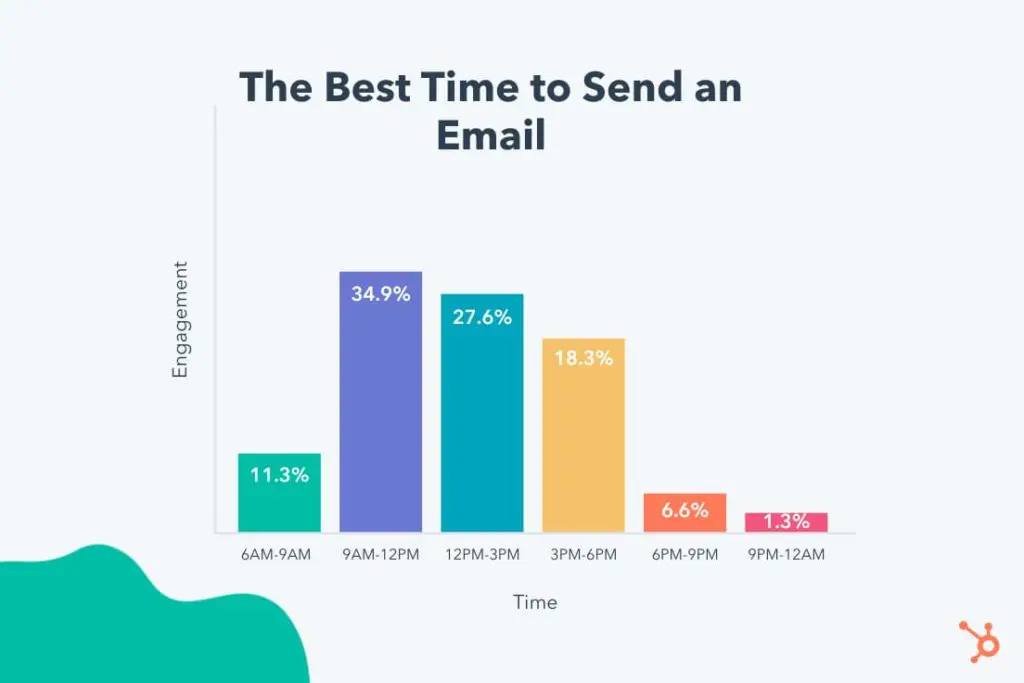
However, every industry is different, so don’t blindly trust these numbers. You’ll find a more accurate answer by analyzing the analytics in your email marketing tool. But generally, it makes sense to email your subscribers during working hours instead of early morning or late at night.
15. Respect Your Subscriber’s Inbox
Just because a person has signed up for your email list doesn’t mean you bombard them with emails every day.
If you want your subscribers to look forward to your emails, don’t send more than three emails per week unless you’re in launch mode. You can, of course, email them multiple times a day during a launch sequence since you’re looking for conversions.
But for regular engagement sequences, three value-packed emails a week is enough to keep you at the top of their minds.
16. Ask Questions
Asking your subscribers questions is an excellent way to engage them and improve your email deliverability.
How? When a subscriber responds to your emails, their email service whitelists your address minimizing the risk of your emails getting spammed.
Many smart marketers do that.
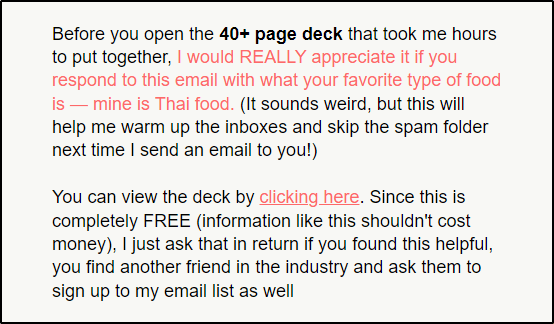
Plus, asking questions helps you gain valuable insights into your audience’s problems and allows you to create more targeted content.
17. Use Text-Only Emails
Colorful and fancy HTML emails look great and I think they’re perfect for eCommerce brands and SaaS businesses.
But for consultants, coaches, and edurepreneurs looking to establish an expertise-based business, plain text emails offer a much more personalized experience.
Why? Because they read like any regular email from a friend, have better deliverability, and are easier to see on a desktop or smartphone screen.
18. Include A CTA In Every Email
Marketing emails aren’t random and aimless pieces of content. They should always serve a purpose and move your subscribers towards a well-defined goal.
This is why most of your emails should have a call to action (CTA).
A CTA’s goal is to invite your subscribers to take action. But it doesn’t always have to be a link or a button.
Here are a few email CTA ideas.
- Link to a blog post (plain text or button link)
- Encourage subscribers to reply
- Ask them to share your content
- Respond to a question
- Share feedback on a piece of content
- Sign up for an event/webinar
- Recommend a product
- Fill a survey
As a general rule, don’t include more than one CTA in an email to maximize conversions.
19. Format Your Emails For Scanning
People rarely read these days.
Instead, modern users scan content to quickly find the information they want. So, to improve your email readability, format your content for scanning.
Here’s a good example.

Here are some quick tips for formatting your emails the right way.
- Use the Inverted Pyramid approach to writing emails by featuring the most important information above the fold.
- Use short 1–2-line paragraphs.
- Use short sentences (one argument per sentence).
- Add bucket brigades to your copy.
- Divide sections with subheadings.
- Bold the most important information.
- Center align your CTAs.
20. Start Conversations, Tell Stories, Express Yourself
The best email messages speak directly to your subscribers, tell stories that strike a chord, and give them what they need the most.
So, express yourself openly when writing emails because you don’t have to worry about SEO, keyword placement, or other technical details.
The only thing that matters is the value of your content.
Some of the best coaches and consultants I know write long-form emails that can easily be turned into blog posts. They’re so well written that their subscribers beg for more.
This is because emails are different from blog posts. Your subscribers trust you, have willingly signed up for your list, and want to hear from you.
This is especially true for expertise-based businesses where people look up to you and want to learn more.
So, use your emails to deliver massive value and express yourself to build a solid relationship with your subscribers.
21. Repeat, Resend, And Reuse Your Emails
The average email open rates in the online training industry are just under 24%. Unfortunately, this means 76% of your subscribers never open your emails. And even those who do rarely remember what you say.
So, repeating your emails and reusing your content is completely ok. It allows you to get more juice out of your emails and gives you the creative space to find new ideas while keeping your subscribers engaged.
Here are a few ways to reuse your email content.
- Resend emails to users who haven’t opened them.
- Repeat your content emails every quarter.
- Resend emails with different subject lines to increase the open rate.
- Reuse your highest engagement content angles to write more persuasive emails.
22. Ask For Referrals
Your email list is your most valuable business asset for many reasons. One of them is that you can use it for word-of-mouth marketing and generating referrals for your business.
How? Use your email marketing software to filter your most engaged email subscribers. These people regularly consume your content, trust your advice, and consider you an expert.
Email them to invite anyone from their circles to your list who might benefit from your content. It’s an easy way to grow your list.
Do the same with your customer list. Filter the students who’ve completed your course or consumed most of it. Ask them to spread the word for you, and most would be happy to do it.
23. Regularly Clean Your Email List
Finding new email subscribers is critical for your business growth. But getting rid of dormant subscribers is equally important.
Why? Because a high percentage of dormant or unresponsive subscribers reduces your list quality and impacts email deliverability.
Plus, since most email marketing tools charge you based on your subscriber count, every dormant subscriber is a needless expense.
So, take a good look at your email list every quarter and remove any subscribers that aren’t engaging with your content.
You can automate this process in any leading email marketing software by defining the criteria for dormant subscribers.
What Email Marketing Best Practices Do You Follow?
Email marketing is by far the most profitable marketing channel for coaches, consultants, course creators, and digital product sellers.
But to make it work, you must create email campaigns that resonate with your subscribers, provide them value, and strengthen your relationship with them.
Every email marketing best practice we’ve discussed in this article will help you do exactly that.
Frequently Asked Questions (FAQs)
1. How often should I email my subscribers?
It depends on your audience and content schedule. For most course creators, 2–3 times per week works well for maintaining engagement without overwhelming readers. During a launch or promotion, you can increase frequency temporarily.
2. What’s the ideal email length for better engagement?
There’s no magic number, but shorter isn’t always better. If you’re teaching or storytelling, go long — just make sure every line adds value. For quick updates or links, 150–250 words are plenty.
3. Should I use email templates or write from scratch?
Templates can save time, but overused designs look generic. The best approach is to create 2–3 personal templates that match your tone and reuse them while customizing content each time.
4. How do I improve my email open rates?
Start with a recognizable sender name, write curiosity-driven subject lines, and test your send times. Regularly cleaning your list also keeps open rates high by removing inactive subscribers.
5. What are good metrics to track in email marketing?
Focus on open rate, click-through rate (CTR), and conversion rate — but also track replies and unsubscribes. Replies show engagement, while unsubscribes help you refine your content.
6. Can I promote my courses in every email?
You shouldn’t. Follow the 80/20 rule: 80% value-driven content, 20% promotional. Build trust first, then sell. The more helpful you are, the higher your future conversions.
7. How do I handle unsubscribes?
Don’t stress them. It’s normal and healthy. It means your list is getting more focused. Use unsubscribe feedback forms to understand what’s not working and improve future campaigns.
8. Should I offer discounts through email?
Yes, but only strategically — for launches, anniversaries, or special occasions. Avoid constant discounts; they lower perceived value. Offer bonuses or early access instead.
9. How long does it take to see results from email marketing?
If you email consistently and provide real value, you’ll usually see engagement (opens, clicks, replies) within 4–6 weeks. Course sales typically grow over time as trust builds.
10. Can I use AI to write my emails?
You can use AI for drafting or idea generation, but your personal tone matters most. Add your stories, voice, and experience. Authenticity beats automation every time.
11. Should I separate my newsletter list from my course buyer list?
Yes, it’s smart to do so. Course buyers deserve more advanced and insider content. Segmenting helps you deliver relevant messages without annoying new subscribers.
12. What’s a good lead magnet for a course creator?
Mini-courses, checklists, quizzes, or short video lessons work great. The key is quick transformation — give your subscriber a small win they can see within minutes.
13. How do I prevent my emails from going to spam?
Avoid spammy words (free, urgent, limited time), never buy lists, and always use double opt-ins. Keeping your emails conversational and encouraging replies also helps improve deliverability.
14. Is it okay to reuse old email sequences?
Absolutely. Evergreen sequences can be updated with new examples or links. If they worked before, they’ll likely work again with a few tweaks.
15. What’s the best day of the week to send emails?
It varies by audience, but midweek — Tuesday to Thursday — tends to perform best. Still, always test different days and times to find your sweet spot.
Table of Contents
Related Posts
11 Best Tools To Build And Grow Your Email List (2025)
17+ Essential Email Sequences For Online Course Creators [With Templates & Examples]
The Course Creator’s Guide to Content Marketing