
TL;DR: What Are YouTube Sponsorships?
YouTube sponsorships are direct deals where brands pay you to mention or feature their products in your videos. Unlike YouTube ads, you control who you work with, how you present the product, and how much you charge. Even small channels with engaged audiences can earn anywhere between $50–$10,000+ per video.
How To Get Sponsored (Actionable Steps):
1. Understand your audience using YouTube Analytics.
2. List ideal brands you already use or align with your niche.
3. Study competitors to see who’s getting sponsored and by whom.
4. Join platforms like Collabstr, Aspire, and Grapevine to get discovered.
5. Pitch agencies like Viral Nation or Upfluence with your media kit.
6. Make your channel sponsorship-ready with a professional look and clear contact info.
We’ve packed a ton of information about Youtube Sponsorships in the rest of this article.
“You need hundreds of thousands of subscribers to make money on YouTube.”
That’s one of the biggest myths that puts off so many talented creators.
Sure, you’ll need millions of views and viral content if you rely only on YouTube’s ad revenue.
But there are way better ways to earn from YouTube.
I personally know course sellers, coaches, consultants, and creators making $5K to $10K per month with fewer than ten thousand subscribers.
What’s their secret? YouTube sponsorships.
In this guide, I’ll show you how small or new channels can land sponsorships that actually pay. Plus, I’ll share real-life examples and practical tips to find sponsors that match your values and pay what you’re worth.
Let’s dive in.
Read: Ways To Make Money On YouTube
What Are YouTube Sponsorships?
Ever notice how videos about online courses always use Kajabi or Thinkific to build the course? Or videos on SEO only feature Ahrefs or SEMrush? Or screen recording tutorials casually name-drop Loom?
That’s not just a coincidence. Those are YouTube sponsorships in action.
A YouTube sponsorship is when a brand pays a creator to feature or mention their product or service inside a video. It’s a direct deal between you and the brand, not something controlled by YouTube or tied to ad revenue.
You can usually spot such content from the disclaimer at the top of the screen that YouTube requires creators to add.
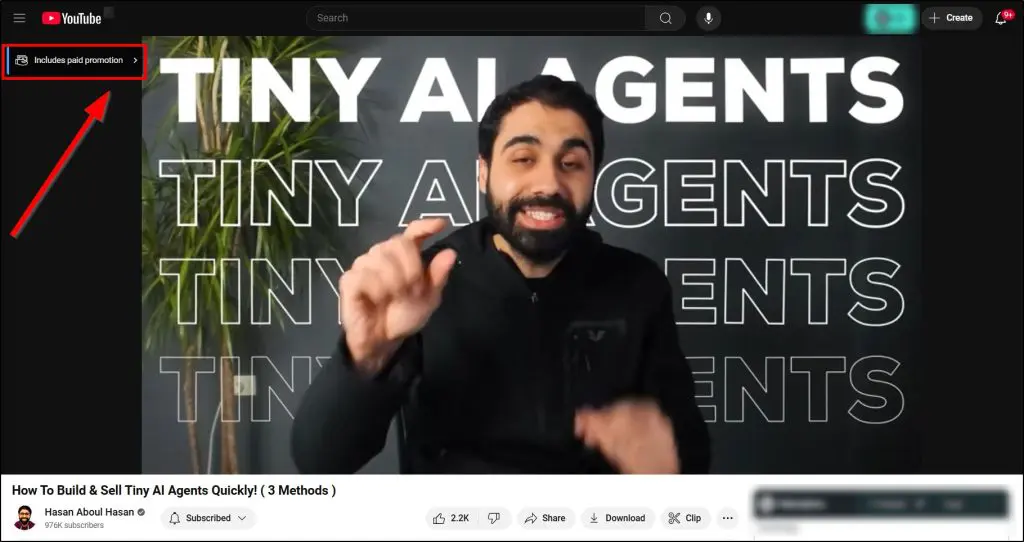
Sponsored content could be something as simple as a 30-second shoutout, a detailed review, or a full video built around the sponsor’s offering. In return, you get paid either in cash, free products, or both.
This is very different from YouTube ads.
With YouTube ads, YouTube decides what ads run on your videos. YouTube also keeps a large chunk of the ad revenue. Unless your videos are pulling in hundreds of thousands of views consistently, you won’t earn much from the ads alone.
Read: How much YouTube pays for a million views?
Sponsorships give you full control.
You choose who to work with. You negotiate your own price. And you decide how to present the brand in a way that fits naturally with your content.
Done right, sponsorships can become your biggest income stream, even if you have a small channel.
Why? Because to get sponsors, you don’t need viral views.
Brands aren’t just chasing big YouTubers anymore. They’re looking for creators with focused content, loyal audiences, and the ability to influence real buying decisions.
All you need is a defined niche, a loyal audience, and the ability to create content that helps a brand reach its ideal customer.
Read: How to become a creator and the essential skills you need for success.
How Do YouTube Sponsorships And Brand Deals Work?
At its core, a YouTube sponsorship is a business deal between you and a brand.
The brand wants exposure. You have an audience that trusts you. The sponsorship brings the two together.
Here’s how the process usually works from start to finish:
Step 1: The brand reaches out to you (or you pitch them)
If a brand sees that your content aligns with their product, they might send you a message through your business email or social media. Or, you can take the lead and reach out to brands you’d love to work with.
Step 2: You agree on the details
Once there’s interest, you discuss what the brand wants. This usually includes:
- What kind of mention or segment you’ll create
- When and where it will appear in the video
- How long the segment will be
- What you’ll say or show
- When you’ll publish the video
- How much they’ll pay you (or what they’ll give in return)
Always make sure everything is clear before you start filming. If possible, get it in writing.
Step 3: You create and send the video
Some brands want to approve the sponsorship segment before the video goes live. Others trust you to do your thing. Either way, make sure you deliver what was agreed.
Step 4: How and when you get paid
This part can vary. Some brands pay upfront, others pay after the video goes live, and a few split it 50/50—half before, half after. As a small creator, you might need to be flexible at first, but never work without an agreement.
For bigger deals, ask for 50 percent upfront to protect your time and effort. You can invoice through PayPal, Stripe, or any simple tool you’re comfortable with.
Step 5: You publish the video and check the “paid promotion” box
This is required by YouTube if you’ve been paid or received something in exchange for the mention. It also helps you stay compliant with platform rules and legal guidelines.
Step 6: You follow up with the brand
After the video goes live, send the brand a quick update. This can include:
- The video link
- Early performance stats (views, comments, engagement)
- Any viewer reactions worth sharing
That’s it. When done well, this simple process can lead to long-term brand relationships and steady income, even if your channel is still growing.
Read: Don’t have a YouTube channel yet? Learn how to start one the right way.
Why Online Course Sellers And YouTube Sponsorships Are A Perfect Match
If you’re a coach, consultant, or course seller, you’re already creating the kind of content that builds trust and positions you as an expert.
You’re not just on YouTube for entertainment or shock value.
You’re sharing strategies, insights, and solutions to real problems because that’s what brings clients and course sales.
Whether you’re planning to sell SEO training, fitness coaching, or business consulting down the line, your content is laying the foundation for your personal brand.
And this is exactly why YouTube sponsorships make so much sense for creators like you.
Unlike prank channels or vloggers chasing views, your audience comes to you for answers. They trust your advice. They see you as the go-to person in your space.
And sponsors love that.
You don’t have to change anything about your content. You can naturally recommend tools, apps, or products you already use, and get paid for doing it.
Ali Abdaal is an excellent example of someone who seamlessly integrates sponsored content in his videos without compromising his core message.
As a course seller or consultant, you need a YouTube presence to build your authority. But if you’re only relying on ad revenue, the numbers can be disappointing.
Educational videos, even the really good ones, often get just a few hundred or a few thousand views.
With sponsorships, those same views can be worth hundreds or even thousands of dollars.
Because to the right brand, a thousand views from your highly relevant audience is more valuable than ten thousand random clicks on an entertainment video. Sponsors know your viewers are potential customers.
That’s why YouTube sponsorships are not just a monetization tactic. They’re a smart way to make your content more profitable without changing your purpose.
Read: Use the best online course platforms to monetize your YouTube audience
Examples Of Sponsored YouTube Content (Even Small Channels)
If you look closely, you’ll find examples of sponsored content all around YouTube. However, channels that show the creator’s face usually have a better chance of getting sponsorship deals than faceless YouTube channels.
Example #1: Testing Email Marketing Tools
In this video, Steve shares his experience of using almost all of the top email marketing software for his online businesses. He reviews the pros, cons, and pricing of each tool and when he thinks using a specific tool makes sense.
How does he make money from this video? He promotes the email software of his choice and asks the viewers to try it out using his affiliate links in the video’s description.
Example #2: Rocket Propelled Skateboard using a Melon
This is a great example of integrating a seemingly unrelated product with your content without being overly promotional.
The product they’re promoting is mentioned in the video’s description along with its purchase link.
Example #3: Creating ChatGPT Images
Authority Hacker is a well-known brand in the online marketing niche. Most of their videos are sponsored by different tech companies. The sponsor for this particular video is a generative AI company (mentioned in the video’s description).
The Main Types Of Sponsorships On YouTube
Most creators think of sponsorships as one thing—a brand pays you to mention their product. But there are actually different types of sponsorships, and each one plays a different role depending on where you are in your creator journey.
What works best for someone with 500 subscribers won’t be the same as what works for someone with 50,000.
And if you understand the strengths and limits of each type, you can use them more strategically, not just to make money, but to grow your channel and reputation at the same time.
Let’s discuss these types one by one.
YouTube Sponsorship Type #1: Affiliate Sponsorships
Affiliate sponsorships work just like regular affiliate marketing. You join a brand’s affiliate program either through platforms like Amazon Associates or directly through a company like Thinkific, Teachable, or Kit.
They give you a unique link, and you earn a commission every time someone makes a purchase using that link from your video description. Sometimes, brands will even reach out and invite you to join their affiliate program.
The biggest advantage? You’re not limited to one brand.
You can promote and compare multiple products in the same video. For example, you can do a Thinkific vs Teachable comparison, give your honest take, and add affiliate links for both in your description. Whichever tool the viewer chooses, you still win.
The downside is there’s no upfront payment. You only earn when a sale happens. But it’s a great way to start earning sponsorship income without needing brand deals or a huge subscriber count.
YouTube Sponsorship Type #2: Product Sponsorships
In a product sponsorship, a brand sends you a free product in exchange for a mention or review in your video. This could be a piece of software, a camera, a mic, or even a course platform subscription. You don’t get paid, but it’s still valuable—especially when you’re just starting out and need to build a portfolio of brand collaborations.
Product deals are common in niches like tech, productivity, fitness, and digital tools. For creators selling courses or services, this type of sponsorship works well if the product is something you already use or would genuinely recommend.
Many paid deals actually start this way. If you create a high-quality, honest review and the brand sees results, they’re far more likely to offer a paid partnership next time.
YouTube Sponsorship Type #3: Paid Sponsorships
This is the sponsorship type most creators aim for, and for good reason. Paid sponsorships are where the real money is. That’s why this guide focuses heavily on helping you land these deals.
Here’s how it works.
Brands pay a fixed amount to include a shoutout, review, or feature in your video, irrespective of the number of sales or views your content drives.
These deals can range from $50 to several thousand dollars, depending on your niche, audience size, and content quality.
Paid sponsorships often come with clear expectations. The brand might give you talking points, ask to see the segment before it goes live, and request a specific placement like the first 60 seconds. It’s more structured than affiliate or product deals, but also more rewarding.
Small channels can absolutely land these deals, especially if your audience is focused and your content builds trust. Once you’ve done a few product or affiliate partnerships, you’ll be in a great position to start pitching paid deals with confidence.
YouTube Sponsorship Type #4: Long-Term Brand Deals
Long-term brand deals are exactly what they sound like: a partnership that spans multiple videos, months, or even your entire content strategy.
Instead of a one-time mention, the brand becomes a regular presence in your content.
These deals are harder to land upfront, but they usually grow out of a one-off paid sponsorship that went well. If a brand sees that your audience is responding and your content fits their product, they’re more likely to come back with a longer offer.
The real benefit here is stability.
You don’t have to chase a new sponsor every week. You can plan ahead, maintain consistency, and often negotiate better rates over time.
For course sellers, coaches, and consultants, this type of deal works best when the product genuinely supports what you teach.
A brand deal built around a tool you already use becomes easy to integrate and much more valuable to your audience.
Read: The best YouTube alternatives for creators
YouTube Sponsorship Rates: How Much Can You Earn From Sponsored Content
There’s no official rate card for YouTube sponsorships (and that’s a good thing.)
Sponsorship deals are wide open to negotiation. Your rate depends on your niche, audience behavior, how well you pitch your value, and most importantly, the brand’s goal.
This isn’t about how many views you get. It’s about the business case you can make for why your content is worth paying for.
Most creators think sponsors only pay for reach or clicks. But some of the best-paid deals come from brands that want something less tangible. They want to associate themselves with your likability, your trust, and the bond you’ve built with your audience.
They want to be seen the way your audience sees you — relatable, helpful, honest.
That kind of brand alignment is hard to measure, but extremely valuable. There’s no click-through rate for audience affection. But that’s exactly why you can often charge more because it’s about perception, not just performance.
This short but insightful discussion on ThinkMedia gives you an idea of what brands pay for.
So when a brand asks, “What’s your rate?”, don’t blurt out a number. Let them go first. Their offer tells you how much they’re already prepared to spend.
Then you can confidently raise it based on what you know about your audience and what your content actually delivers.
If you’re a smaller channel, don’t assume you’re out of the game. Brands care far more about quality than size.
In fact, a study by Influencer Marketing Hub found that 75% of influencer marketing campaigns and sponsored content deals target nano-influencers (small channels/influencers with a few hundred or fewer than 10K followers/subscribers).
This finding perfectly aligns with the results of another survey conducted in collaboration with Google which found that over 40% of consumers trust nano influencers for their purchase decisions.

So, if your niche is specific and your audience is engaged, even if it’s just a few hundred people, your content has value.
I know creators with under 1,000 subscribers who consistently bring in 4–5 qualified leads per video and close high-ticket clients. A brand looking for that kind of outcome won’t care that you’re not pulling massive views. They’ll care that your content moves people to act.
That’s the real metric sponsors want — action, not attention.
Still, to give you a starting point, here’s what you can expect from first-time deals:
- Under 5K subscribers: $50 to $1500
- 5K to 50K subscribers: $1500 to $10,000
- High-trust niche channels: Even with low views, up to $10,000+ per video
Most brands start by estimating your value based on CPM (cost per thousand views), which can range anywhere from $20 to $100+, depending on your niche. Finance, SaaS, business, and education tend to fall at the higher end.
Use our YouTube Ad Revenue Calculator to get estimates to negotiate with sponsors.
Again, course creators and educators enjoy a unique advantage here.
Your audience comes to you for guidance and learning. People trust you as a teacher, which gives you extra leverage when promoting SaaS products, course platforms, and many other tools your viewers need.
This trust allows you to negotiate better deals since brands know that your recommendations carry weight.
But CPM is just the start.
Your actual rate depends on two things:
- The results your content drives
- The perception your content creates
- If you can show a brand that you influence purchasing behavior or enhance their image, you’ve earned the right to ask for more (and you’ll often get it.)
What Do Sponsors Look For In A YouTube Channel
Influencer marketing is now a multi-billion-dollar industry, and it’s growing fast. In fact, Statista projects that brand deals will cross $32 billion by the end of 2025.
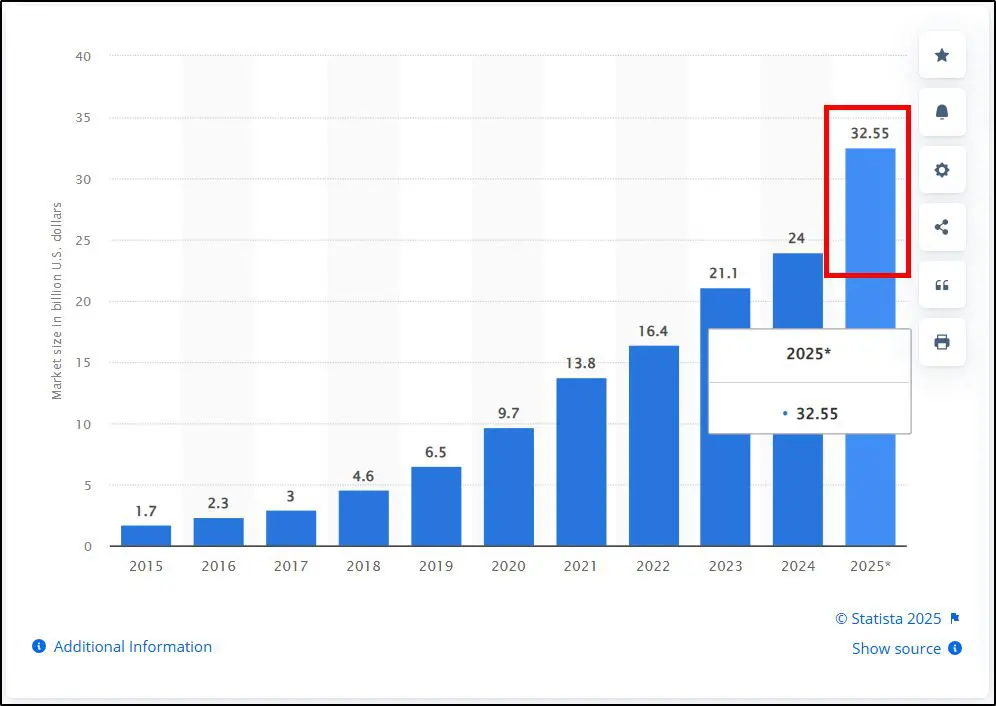
So the real question is:
How do you position your channel as the one brands want to work with?
According to Creators Agency, here are the key factors brands look for in a creator.

I agree with them.
But in my experience, some other factors are also worth mentioning.
1. Niche Relevance
If your content attracts the kind of people the brand wants to reach, you’re in. Even a tiny channel in a specific niche can be more valuable than a general one with 100K subscribers.
2. Audience Trust & Engagement
Sponsors want creators whose audience listens to them. If your viewers take your advice, click your links, and leave thoughtful comments, you’re already valuable.
3. Content Style & Integration Fit
If your content naturally allows for tutorials, walkthroughs, or recommendations, you’re golden. Sponsors love channels where their product can fit in without feeling forced.
4. Professionalism
Sponsors want creators with a professional and presentable YouTube channel. Plus, they want fast replies, adherence to deadlines, and a smooth process. If you’re reliable, you’re already ahead of most.
5. Audience Demographics
Brands often target specific regions, age groups, or professions. If your audience matches their ideal customer, that’s a strong selling point.
6. Proof of Performance
You don’t need past sponsors to show you get results. Share affiliate stats, lead conversions, email signups—anything that shows your content drives action.
7. Brand Safety & Values Alignment
If you’ve driven clicks, signups, or sales in the past, show that. Sponsors want proof that your audience takes action.
What Should You Look For In A YouTube Sponsor
Not every brand deal is worth saying yes to. A good sponsorship doesn’t just pay well — it fits your audience, your values, and your long-term growth. Here’s what to look for:
1. Audience Fit
Does the brand offer something your viewers actually care about? If it’s not a natural fit, your audience will tune out — or worse, stop trusting you.
2. Creative Freedom
Make sure the sponsor gives you room to tell the story your way. Forced scripts kill authenticity, and that hurts both your credibility and their results.
3. Product Quality
Only promote products you’d use or recommend yourself. One bad partnership can hurt your reputation more than ten good ones can help.
4. Fair Compensation
Don’t work for less than you’re worth. If the brand expects results, they should be willing to pay for the trust and influence you’ve built.
5. Long-Term Potential
Look for sponsors that see you as a partner, not just a one-time shoutout. The best deals grow over time with bonuses, renewals, and deeper collaboration.
6. Clear Goals and Communication
You should know exactly what the brand expects, and they should respect your process. Ambiguity leads to frustration, revisions, and sometimes, unpaid work.
How To Get Sponsored On YouTube Even If You Have A Small Channel
How do you land paid brand deals when your subscriber count is still in the triple digits? You don’t wait for sponsors to find you — you go find them. The truth is, brands care more about influence than follower count. And if your content drives action in a focused niche, you’re already ahead of thousands of creators with bigger channels.
So, here are the steps I’d follow if I wanted to get YouTube sponsorships for my channel.
P.S. For most of these points, you’ll need a YouTube intelligence tool for insights and faster optimization. I strongly recommend using TubeBuddy because it is the best platform for optimizing your YouTube content, finding new opportunities, and understanding your audience.
Step 1: Understand Your YouTube Audience
If you don’t know who your audience is, you can’t tell brands why they should care about you. The more specific your audience profile, the easier it is to attract brands that want to reach those exact people.
And this isn’t just about demographics — it’s about behaviors, preferences, and buying intent.
Here’s how to get clear on your audience:
- Use YouTube Analytics: Go to your Analytics tab → Audience. Look at age range, gender, top locations, and returning vs. new viewers. This tells you who’s watching and how loyal they are.
- Check Your Top Videos: What topics or titles consistently get the most views and comments? This shows you what your audience actually wants more of — and gives you insight into their interests.
- Read Your Comments: Look for patterns. Are people asking for tool recommendations? Do they mention struggling with something specific? These comments are gold — they tell you exactly what they care about.
- Use Community Posts or Polls: Ask them directly. Run a poll: “What kind of tools do you use?” or “What do you struggle with most?” Use their answers to find brands that solve those problems.
Compile that data into a one-pager or short PDF deck. Use Canva or any similar tool to create a clean, visual document with:
- Your core audience profile
- Their interests or challenges
- What types of products they’re looking for
- Key performance stats from your channel
Send this with your pitch email to brands. It instantly positions you as a creator who understands their audience, and that’s exactly what sponsors are looking for.
That’s what makes a pitch powerful because you’re not saying “I have a channel, sponsor me.”
You’re saying, “My viewers are [X type of person] looking for [Y kind of solution]. I think your product fits perfectly.”
That’s when brands start listening.
Step 2: List the Brands You Want to Work With
Start by writing down 5 to 10 brands you already use, trust, or talk about in your videos. These are your warmest leads and usually the easiest to pitch.
Next, define your ideal brand partner criteria using what you’ve learned about your audience.
Here are a few example criteria points you can use.
1. Audience Fit
The brand must offer products or services that your viewers would genuinely want or need. For example, if your audience is full of beginner video editors, relevant brands might sell editing apps, mobile gear, or creator tools.
2. Budget & Stage
Aim for mid-sized or growing brands. They’re often more open to working with smaller creators because they value niche influence. Massive brands tend to prioritize high-reach campaigns and might ignore smaller channels unless you have a unique angle.
3. Already Doing Influencer Marketing
Check if the brand has sponsored other YouTubers, runs paid influencer campaigns on Instagram, or promotes UGC (user-generated content). If they’ve invested in creators before, there’s a higher chance they’ll work with you.
4. Actively Running YouTube Ads
If they’re paying to reach your audience already, they’re likely to pay you for content that feels more organic and personal. You can spot this just by watching a few videos in your niche and taking note of any recurring ads.
5. Aligned Values & Brand Image
Make sure the brand’s voice and values align with yours. If you’re all about honest reviews and budget-friendly tools, a luxury lifestyle brand may not be a natural fit, and your audience will notice the disconnect.
Once you’ve got your criteria nailed down, plug them into ChatGPT or Gemini. Try a prompt like:
“Give me a list of 20 B2B SaaS tools that help small creators grow their content business and are known for sponsoring influencer content.”
Or…
“List 15 eco-conscious beauty brands that are active on Instagram and YouTube and collaborate with Gen Z influencers.”
You’ll instantly get a long list of relevant brands you can start researching and pitching — without wasting hours scrolling through websites or random brand directories.
Step 3: Analyze Your Competitors On YouTube
One of the fastest ways to find sponsorship opportunities is to study what’s already working for other creators in your niche.
Luckily, YouTube makes this easier than you might think.
When you consistently create content around a topic, YouTube naturally fills your recommendations and feed with similar creators. That means, without much effort, you’re already being shown potential competitors and collaborators.
For example, I frequently search for weight loss and fitness-related videos on YouTube. Here’s what my YouTube feed usually looks like.
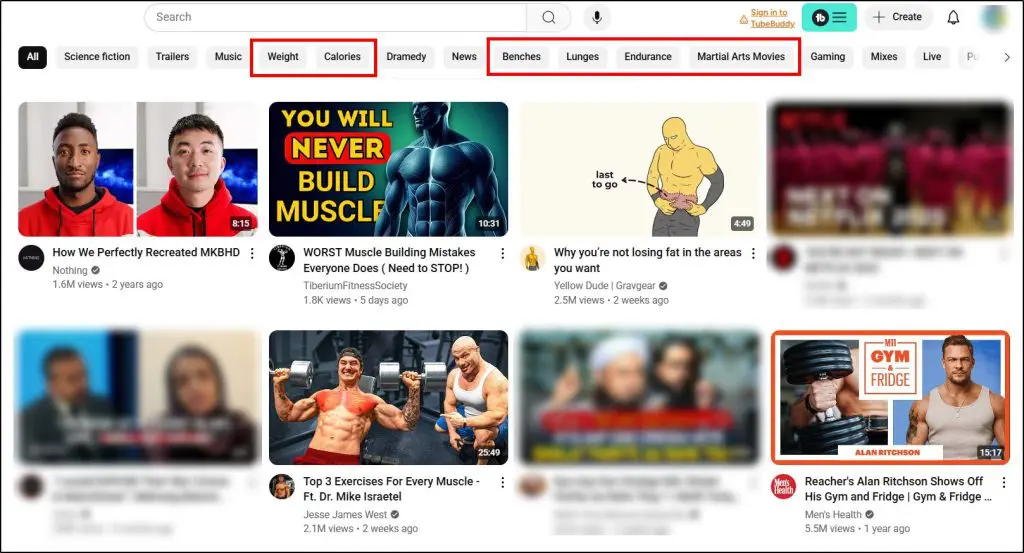
Here’s how to turn that into a sponsorship strategy:
Start by watching creators in your space who are around your size or slightly bigger. Look for videos with sponsored segments. You’ll often spot them by listening for phrases like “this video is sponsored by…” or by noticing integrated product shoutouts.
Most sponsored videos have a sponsorship link in their description, an easy way to spot such content.
Once you identify a few creators landing brand deals, study the patterns. What kinds of brands are sponsoring them? How is the product integrated? Are they doing full-blown reviews, quick mentions, or sponsored tutorials?
But don’t stop there.
You can also spot potential sponsors by watching the ads that play before or during similar videos. Brands that are investing in YouTube ads are already allocating budget for visibility.
With the right pitch, you can convince them to sponsor your content instead, especially if you offer stronger audience alignment.
To go deeper, try these tools:
- Google Ads Transparency Center: Search any brand and see their active and past ads on YouTube. If they’re running ads in your niche, they may be open to creator partnerships.
- TubeSift: Lets you search for monetized YouTube videos, so you can find brands advertising on videos similar to yours.
- PowerAdSpy or Vidooly: Great for discovering which brands are spending money on YouTube and what kind of videos they’re placing ads on.
These tools are designed for ad research, but they work perfectly for sponsorship scouting too. If a brand is spending money on YouTube ads, that’s proof they value the platform. Pitch yourself as a better option (a creator with a loyal audience, relatable content, and a more personal way to reach their ideal customer.)
Step 4: List Yourself on Sponsorship Platforms
One of the easiest ways to start landing brand deals, even with a small channe,l is by showing up where brands are actively looking for creators to partner with.
Sponsorship platforms and marketplaces work like matchmaking services. You create a profile, add details about your content and audience, and wait for brands to browse and reach out. Some platforms even let you apply directly to open campaigns.
Here’s how to do it step-by-step:
1. Sign up on the right platforms
Start with these trusted marketplaces:
- Grapevine – Great for lifestyle, beauty, and wellness creators.
- Channel Pages – Helps small creators get discovered by niche brands.
- Aspire (formerly AspireIQ) – Works well if you also do Instagram or TikTok.
- Collabstr – One of the fastest-growing platforms, especially for micro and nano influencers.
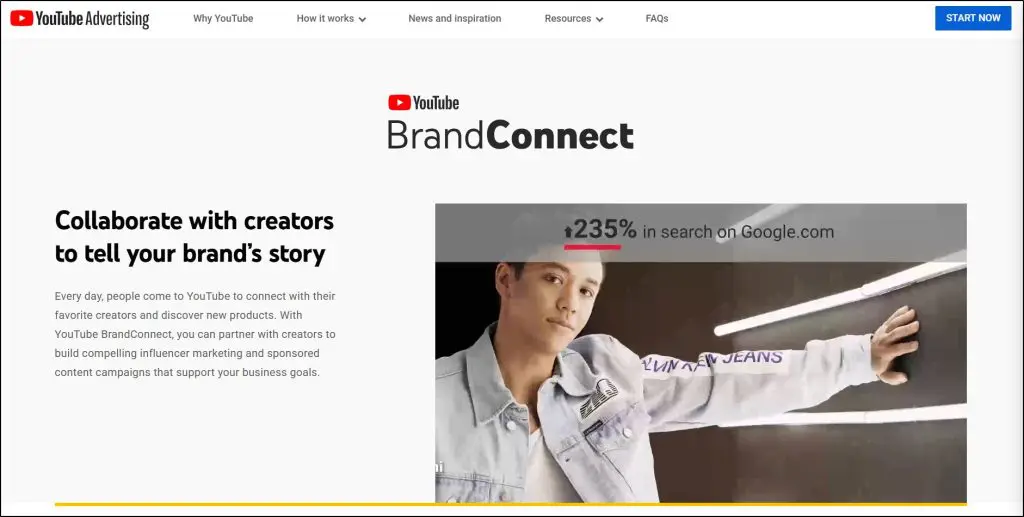
- YouTube BrandConnect – Built into YouTube Studio, but only available to monetized creators in certain countries.
You don’t need to be on all of them. Choose two or three that align with your content and put effort into creating a solid profile.
2. What to include in your profile
Think of your profile like a mini pitch deck:
- A clear, professional display name and channel link
- Your niche (e.g., productivity tips for students, budget tech reviews, fitness for moms)
- Audience stats: demographics, average views, engagement rate, click-through rate if available
- Your best-performing video examples (especially ones that feel “brand-safe”)
- Your pricing and deliverables: What does a sponsored video include? Do you offer shout-outs, full integrations, affiliate links?
Most platforms let you upload a media kit. If you don’t have one yet, now’s the time to make one using Canva, Google Slides, or Notion. You want to look put together, even if you’re just starting.
Don’t just sit back and wait.
On most platforms like Aspire or Collabstr, you can browse active brand campaigns and apply directly. Pitch yourself just like you would in a cold email. Focus on the brand’s goals, your audience’s fit, and how your content drives action.
Getting listed on these platforms doesn’t guarantee instant deals, but it puts you on the radar of marketers who are already investing in creators. That alone gives you a huge head start.
Step 5: Partner With Agencies
If you’re serious about growing your sponsored content income, don’t overlook influencer marketing agencies. These companies work directly with brands to plan campaigns, and they need creators to execute them.
Agencies like IZEA, Upfluence, Viral Nation, Influicity, and Obviously regularly run influencer campaigns across YouTube, Instagram, and TikTok.
But they don’t just want creators with a million subscribers. Many of them now prioritize micro and nano influencers who have tighter community engagement and niche content.
Here’s how to get started:
- Research agencies that mention YouTube in their services. Look at their websites or LinkedIn to see what kind of creators they work with.
- Follow YouTube marketing podcasts like Creator Wizard by Justin Moore. He often drops names of smaller “creator-first” agencies that are easier to reach and more open to new talent.
- Send a professional pitch or inquiry. Introduce your channel, share your niche and audience profile, and link to your media kit. If you’ve done any brand collaborations (even unpaid), include those as examples.
- If you’re in a specific niche (like gaming, personal finance, or parenting), search for agencies that specialize in that space. Niche agencies often have ongoing partnerships and can plug you into seasonal or product-based campaigns quickly.
Some agencies don’t list open calls for creators, but that doesn’t mean they aren’t looking. A polite cold outreach via email or LinkedIn, especially if you highlight how your content aligns with their existing clients, can open the door to long-term partnerships.
Working with agencies can save you time pitching and negotiating. They act as the middleman, help streamline payments, and sometimes even coach you on what brands are expecting.
Best Practices For YouTube Creators Looking For Sponsorships
If you want more sponsorships, make yourself easy to work with. Most brands skip over creators not because they lack views, but because it’s unclear how to work with them.
From your first impression to the final delivery, every step should signal: this creator is ready.
Here’s how to make that happen:
1. Build a Sponsorship-Ready Website That Sells You
Your YouTube channel shows off your content. Your website should show off your value.
Sponsors don’t just want to see what you post. They want to know who you are, what kind of audience you attract, and whether you’re the kind of creator who can deliver results.
Jack Welsh’s website is an excellent example. It not only brands him as an influencer for a very specific audience segment, but also has a dedicated partnerships page for brands interested in working with him.
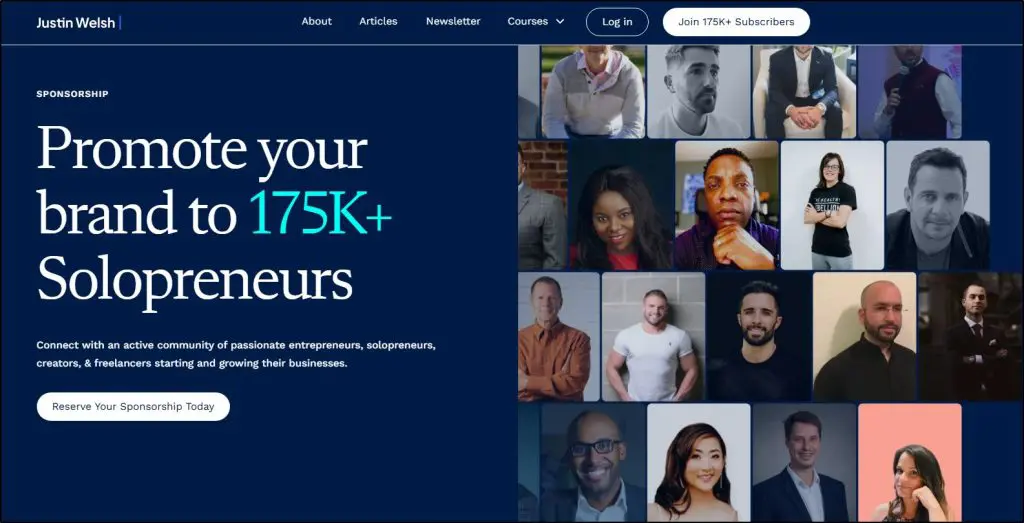
Here’s what your website should include:
- A clean homepage that explains what your channel is about and who it serves
- A dedicated “Work With Me” page that outlines what kinds of partnerships you offer (product reviews, sponsored videos, affiliate collabs, etc.)
- Your audience data: who they are, where they’re from, what they care about (you can pull this from YouTube Analytics)
- Case studies or examples of past collaborations (even if it’s just an affiliate link that converted well)
- A downloadable media kit in PDF format
- A custom domain email like you@yourchannel.com for brand outreach (ditch the Gmail)
Tools like Carrd, Framer, or even Notion can help you set this up in a few hours.
This small investment signals one big thing: you’re not just a content creator, you’re a professional partner.
2. Define Your Sponsorship Process (So Brands Don’t Dictate It for You)
Most new creators let brands take the lead in collaborations, and that’s where things go sideways.
If you want to look professional, act like a business. Set clear terms before a brand even asks.
Create a one-pager or section on your website that explains:
- How a sponsorship begins (Do you need a discovery call? A creative brief?)
- What you offer: dedicated videos, mentions, Shorts, affiliate deals, etc.
- Your timeline: how long it takes you to create and deliver sponsored content
- Payment terms: 50% upfront, 50% on delivery is common
- Your boundaries: what you don’t promote, any industries or messaging that’s off-limits
This sets expectations, avoids misunderstandings, and shows sponsors you know what you’re doing.
And remember, confident creators with systems don’t just get more deals. They get better deals.
3. Make Your Channel Sponsorship-Ready
Before a brand even hits your inbox, they’re already judging you by your channel’s appearance.
Start with the basics:
- Use a clean, professional logo and channel banner that reflects your niche
- Write an “About” section that clearly says you partner with brands and what kind of audience you reach
- Add a dedicated, domain-branded email address (like contact@yourwebsite.com) — not Gmail. It looks way more serious
- Include a short sponsorship blurb in every video description with a call to action like:
“Want to sponsor a video? Reach out with your pitch and let’s talk.”
Small tweaks like these send a strong message: you’re open for business and ready to collaborate professionally.
4. Always Get a Written Brief (Or Send One Yourself)
Don’t rely on vague DMs or casual emails. Every sponsorship should start with a clear, written brief. If the brand doesn’t provide one, take the lead.
Spell out exactly what you’ll deliver. For example, how many videos, the type of integration, timeline, and what the brand can expect.
Then get their written approval before you start.
This avoids scope creep, protects your time, and shows you’re a professional partner. Most brands appreciate that level of clarity more than you think.
5. Follow YouTube’s Rules for Sponsored Content
Whenever you include a paid sponsorship, YouTube requires you to check the “contains paid promotion” box during upload.
You must also clearly say it’s sponsored within the video (vague phrases or burying it in the description can get your video flagged.) The FTC also mandates clear disclosure, so say it upfront.
Never promote banned products like weapons or unapproved financial schemes. These rules apply to Shorts and livestreams too.
Follow them carefully because violating YouTube’s sponsorship policies can lead to demonetization or even channel strikes.
Are You Ready To Get YouTube Sponsorships?
If there’s one thing this guide should make clear, it’s this:
You don’t need to wait for a certain subscriber count before you start pitching YouTube sponsors.
You don’t need to fake numbers or chase viral trends either.
The real key is knowing your audience, showing brands how you can help them, and making it easy for them to say yes.
Sponsorships go to creators who take initiative, not the ones who sit around hoping to be noticed.
So whether you’ve got 500 subscribers or 50,000, the path to getting paid is the same: understand your value, package it well, and go after the right brands with a clear offer.
You don’t need a big channel. You need a smart strategy.
And now you have one.
Frequently Asked Questions (FAQs)
1. Do I need to be part of the YouTube Partner Program to get sponsorships?
No. Sponsorships are direct brand deals and don’t require monetization through the YouTube Partner Program.
2. Can faceless or animation-based YouTube channels get sponsorships?
Yes, but it’s harder. Sponsors usually prefer channels with a visible creator they can associate with trust and relatability.
3. How do I price a sponsorship when I’ve never done one before?
Start with CPM-based estimates ($20–$100 per 1,000 views) and adjust based on your niche, engagement, and content type.
4. Can I get sponsored on YouTube Shorts?
Yes. Many brands are now sponsoring Shorts for visibility, especially if your Shorts get consistent views.
5. Should I disclose affiliate links as sponsorships?
No, but you must still disclose affiliate links clearly. Use phrases like “I may earn a commission if you buy through this link.”
6. Do sponsors care about watch time or just views?
Yes, sponsors care about watch time, retention, and engagement—these indicate real influence, not just traffic.
7. How do I handle taxes on sponsorship income?
Sponsorship income is taxable. Keep track of all payments and consult a local accountant to file properly.
8. Can I work with multiple sponsors at once?
Yes, as long as the brands don’t directly compete or conflict with each other. Always check your agreements.
9. Do sponsors ever ask for exclusivity?
Sometimes. In such cases, they may pay more to ensure you don’t promote a competitor for a set period.
10. What tools help manage multiple sponsorships?
Use tools like Notion or Trello for tracking deals, deadlines, and deliverables. For invoices, tools like Wave or PayPal work well.
Table of Contents